


grottaglie
VIA CARAVAGGIO, 7
Grottaglie, TA
+39 099 566 1871
info@bottegaceramicafasano.com
www.bottegaceramicafasano.com
monday
09:00 - 13:00
16:30 - 20:30
tuesday
09:00 - 13:00
16:30 - 20:30
wednesday
09:00 - 13:00
16:30 - 20:30
thurday
09:00 - 13:00
16:30 - 20:30
friday
09:00 - 13:00
16:30 - 20:30
saturday
09:00 - 13:00
16:30 - 20:30
On appointment: yes
Showroom: yes


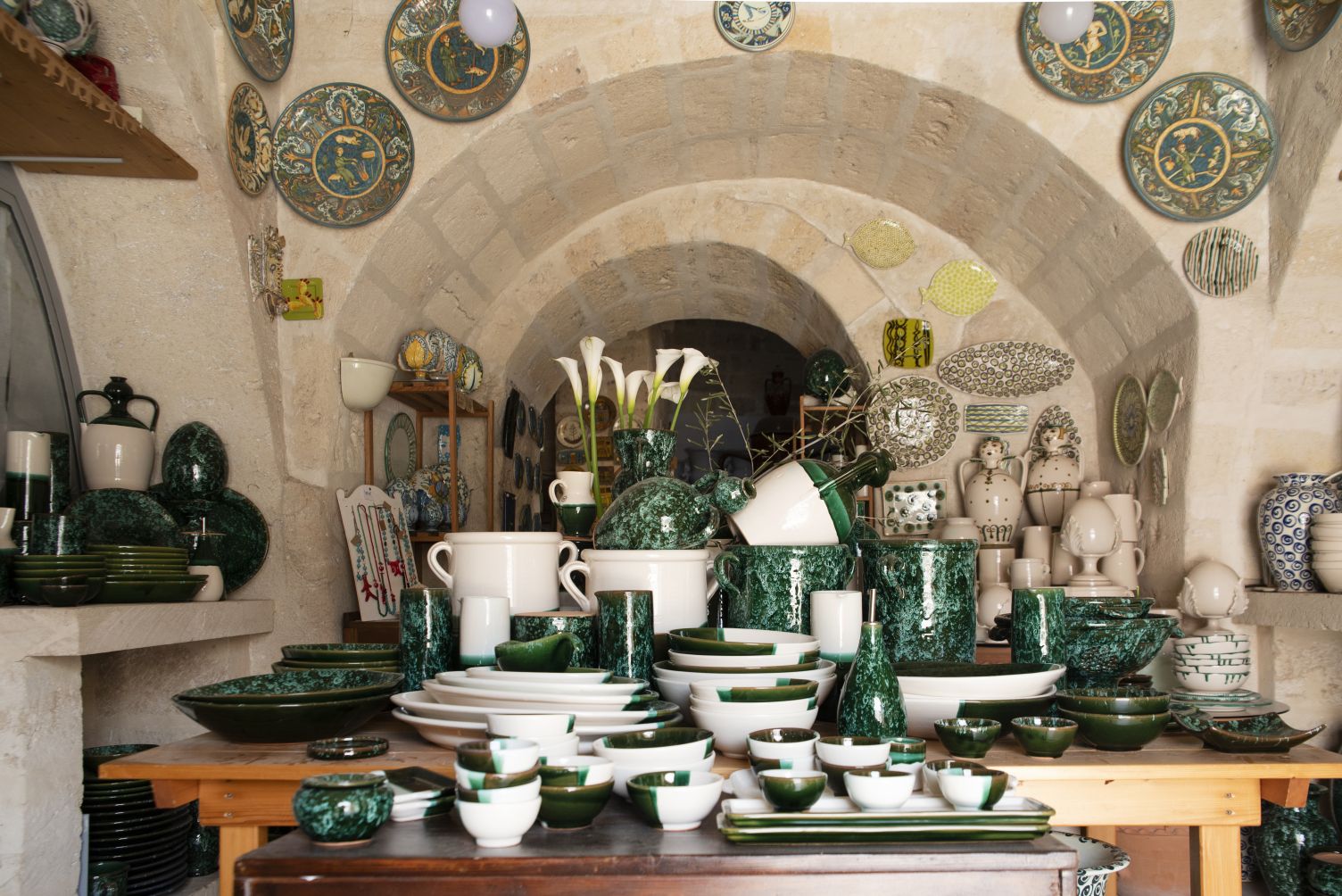
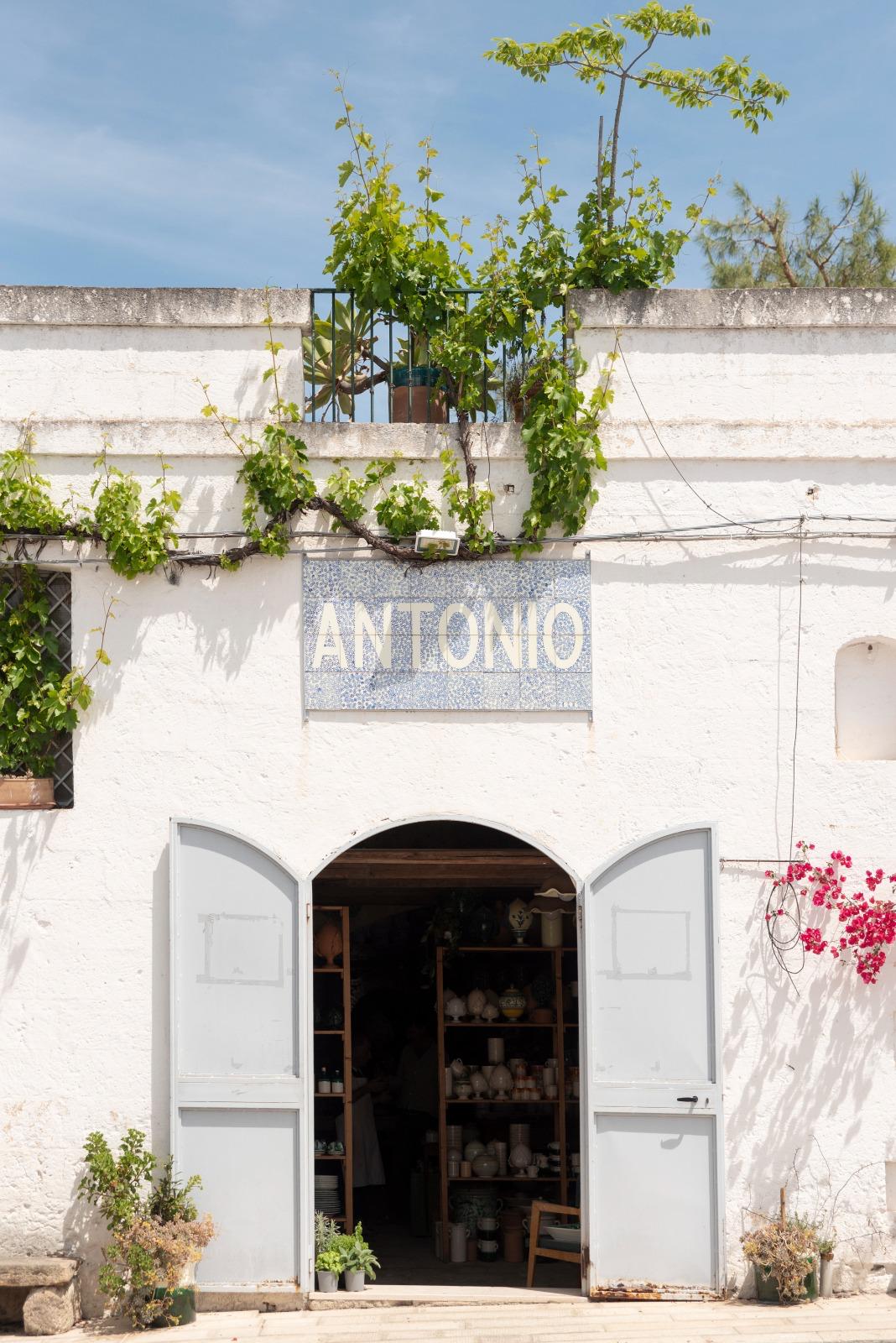
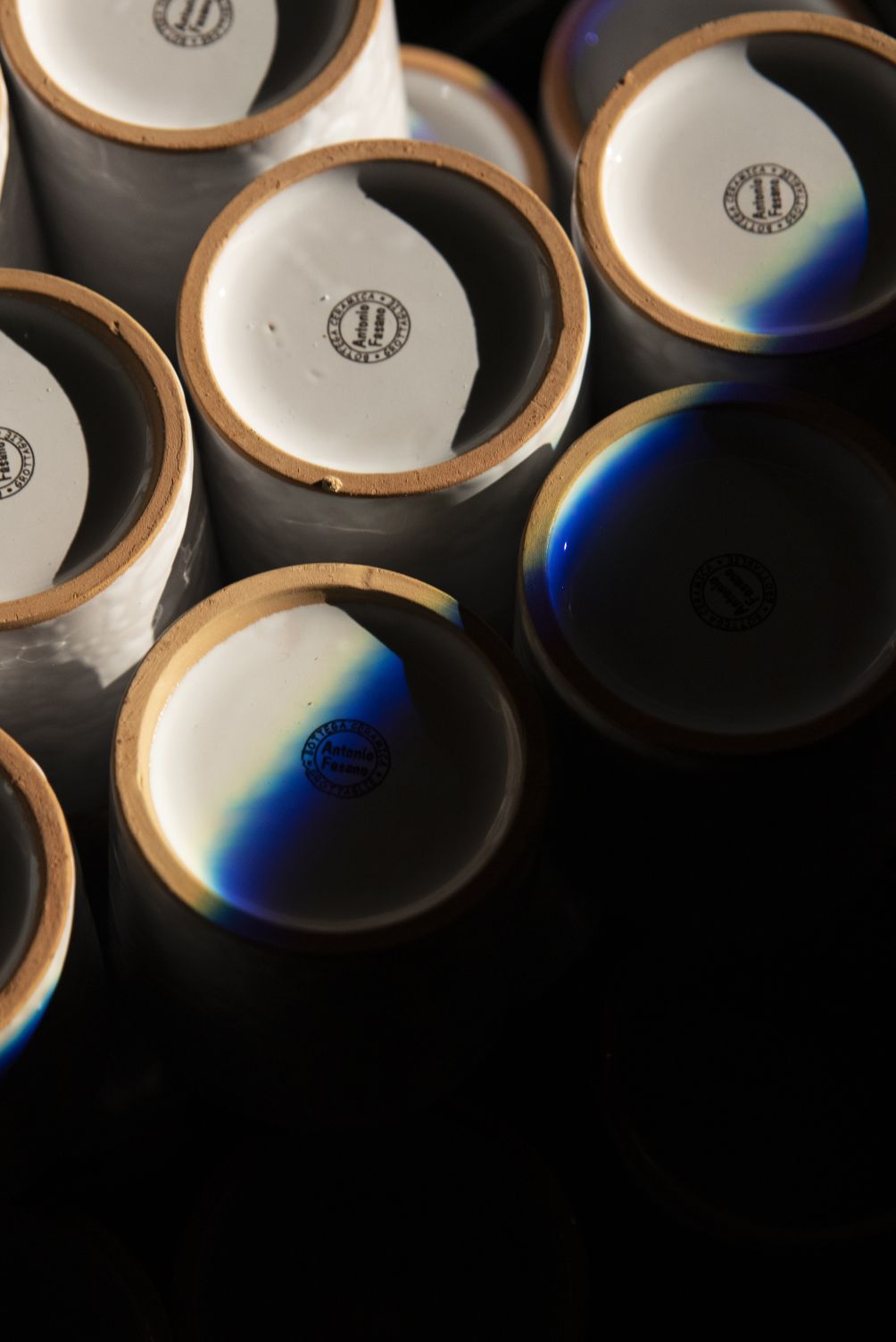
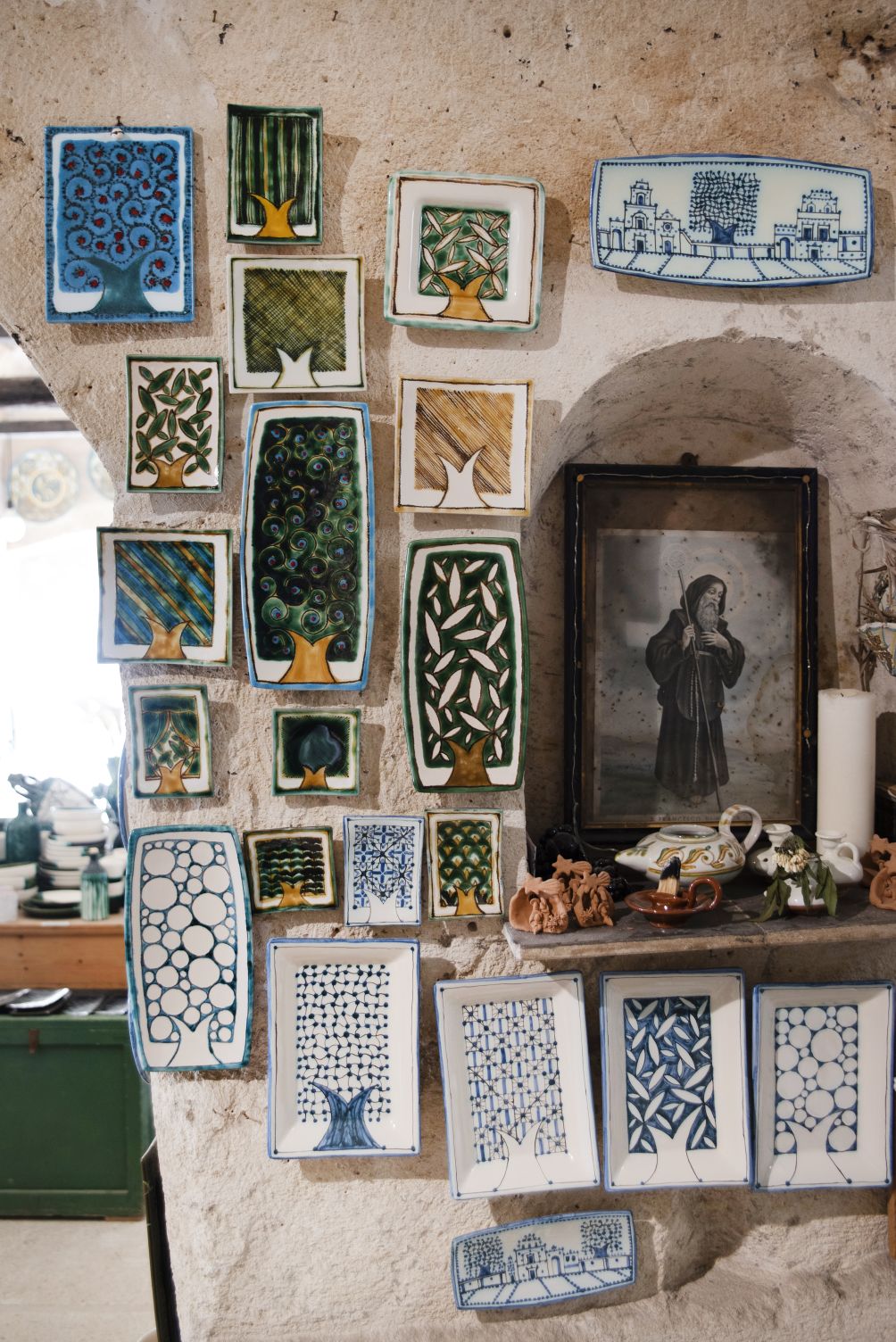
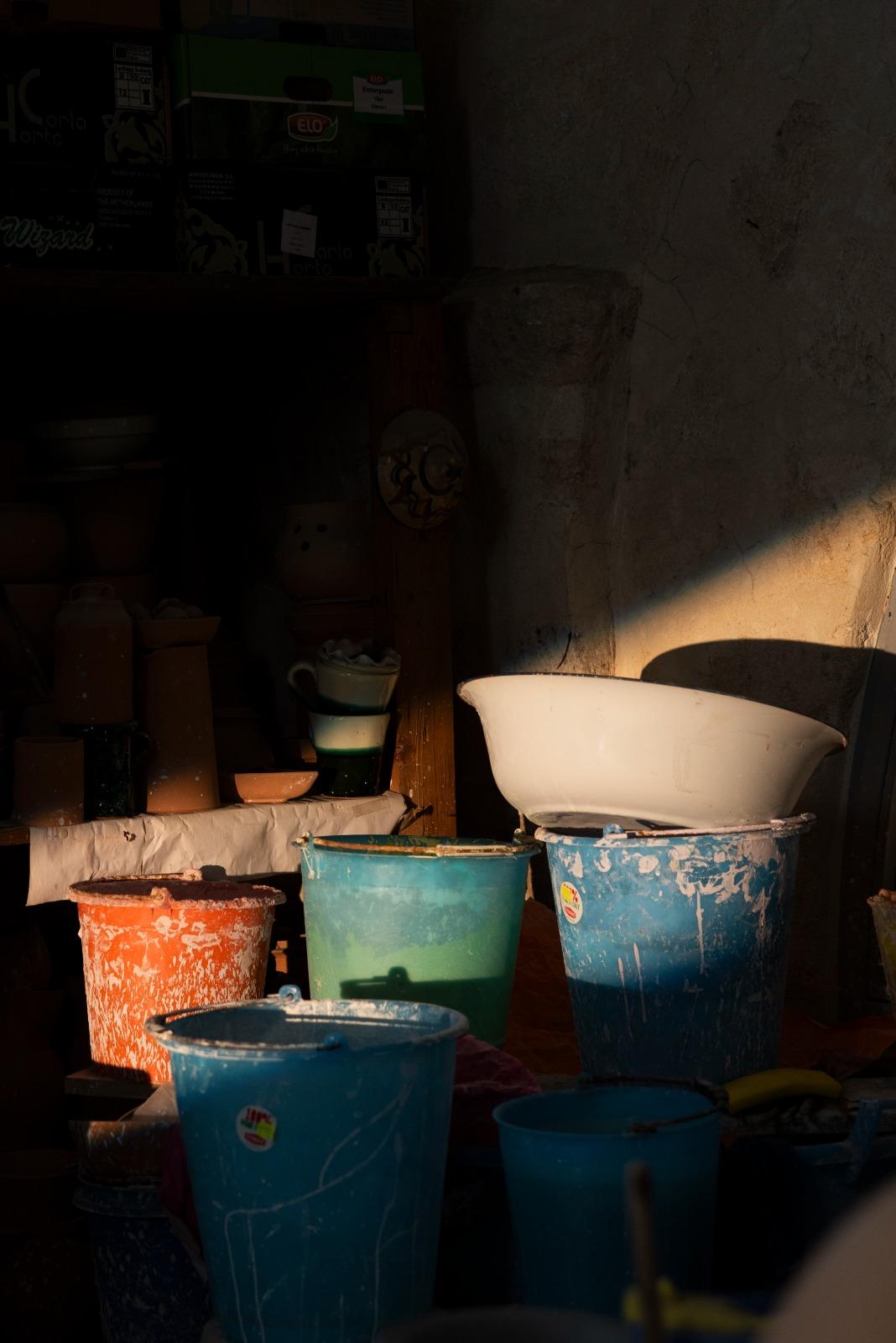
In the Ceramics Quarter of Grottaglie, in the province of Taranto, Antonio Fasano’s ceramics workshop has been active since 2003, when Antonio, who grew up in the workshop of his father, the ceramicist Gaetano Fasano, opened his own space together with Tonino Zoppo.
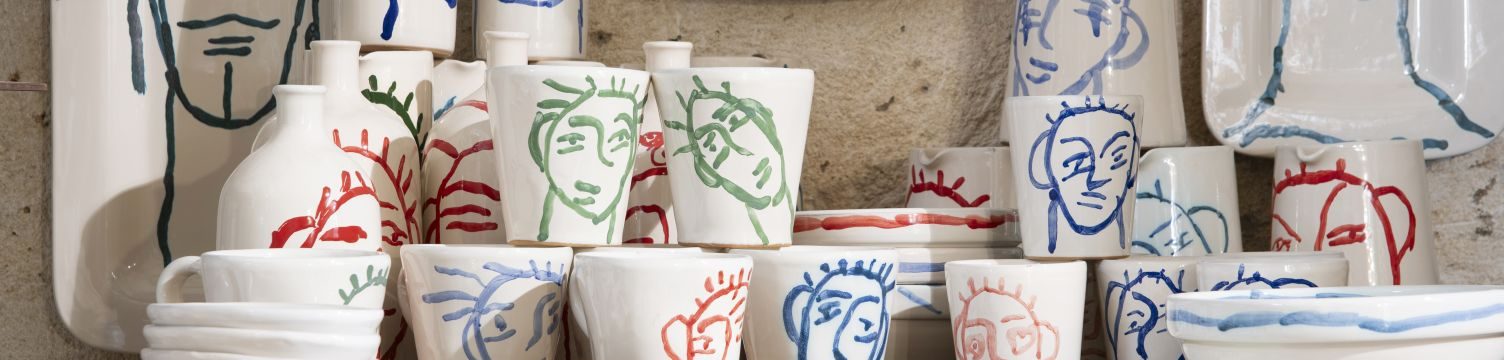
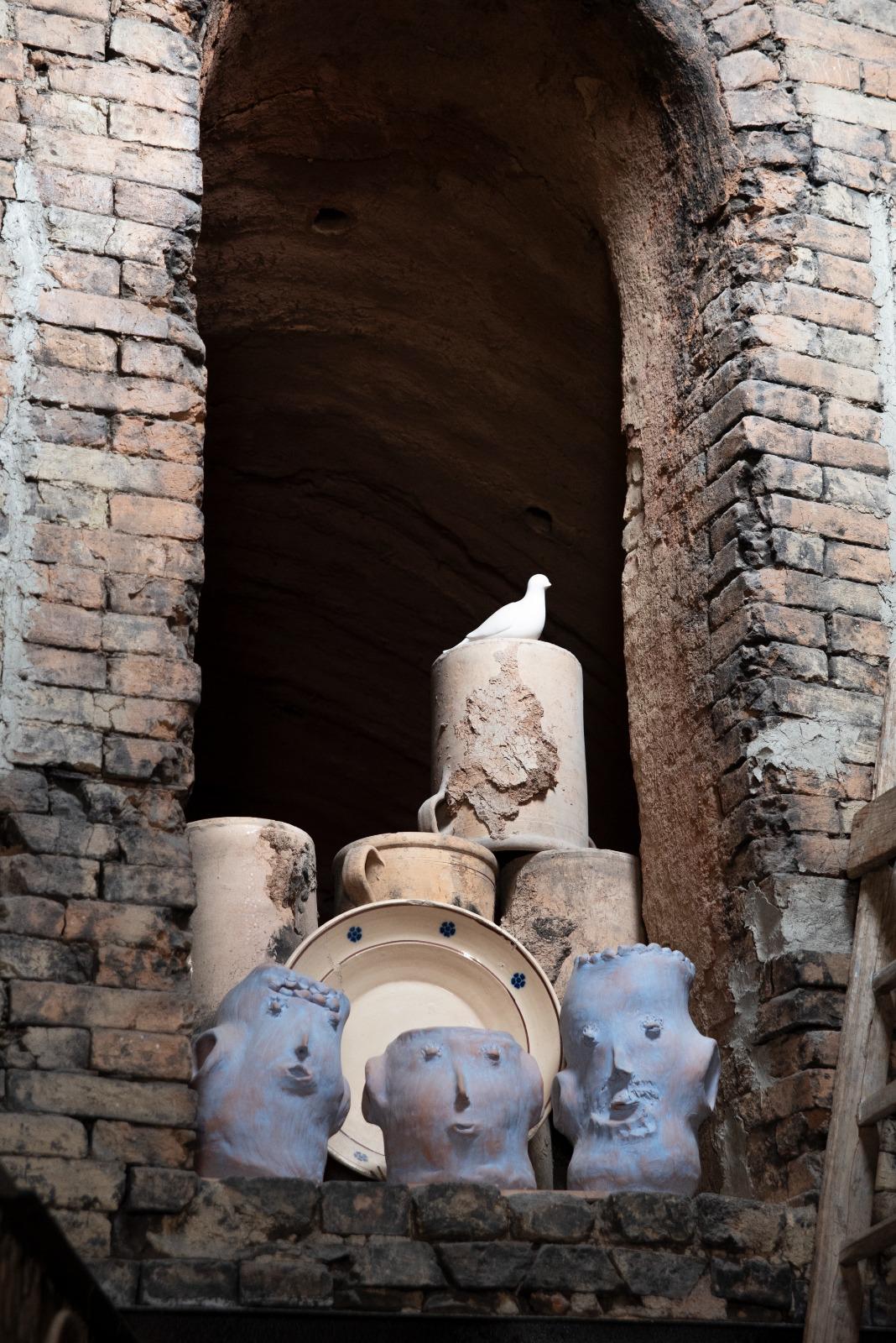
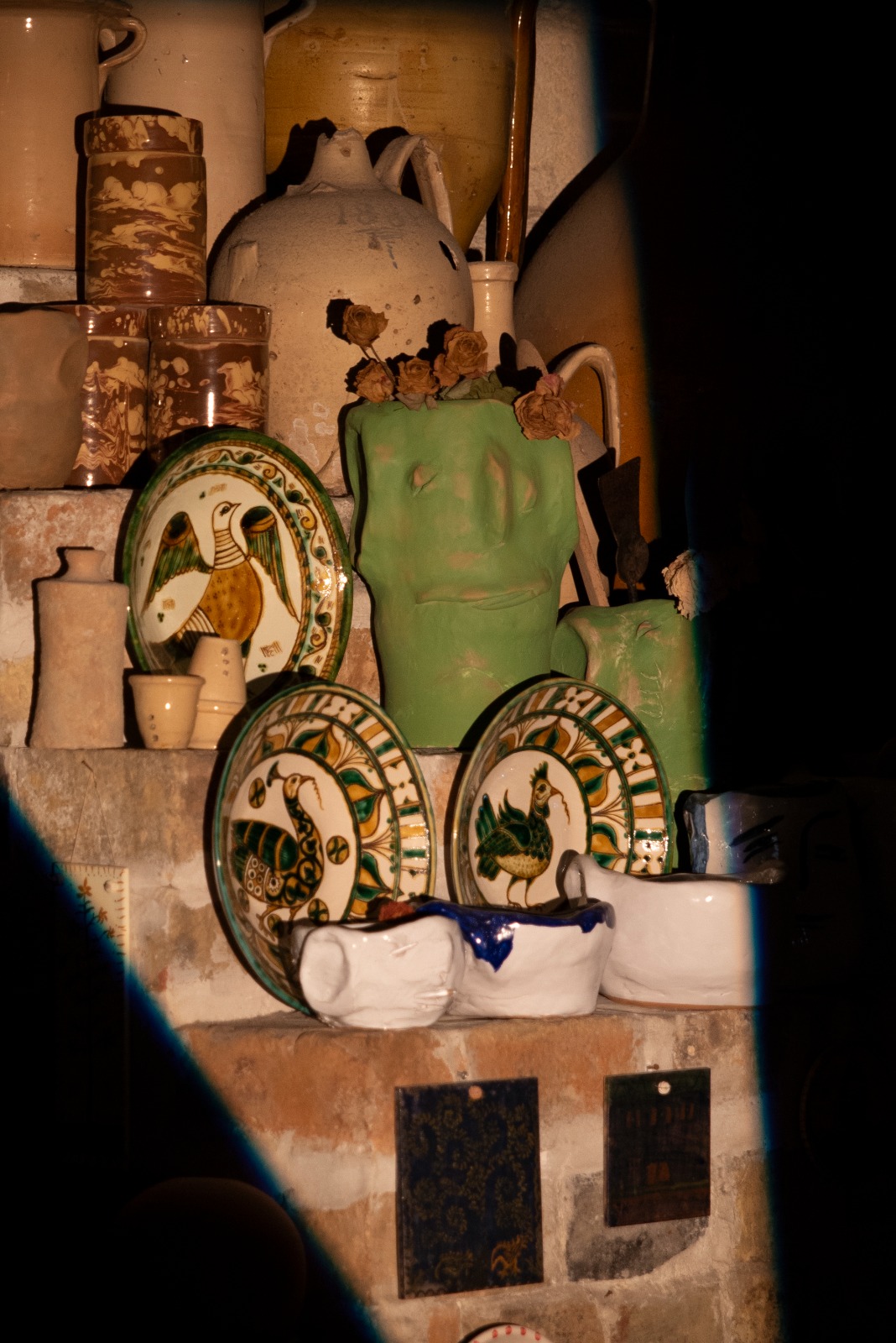
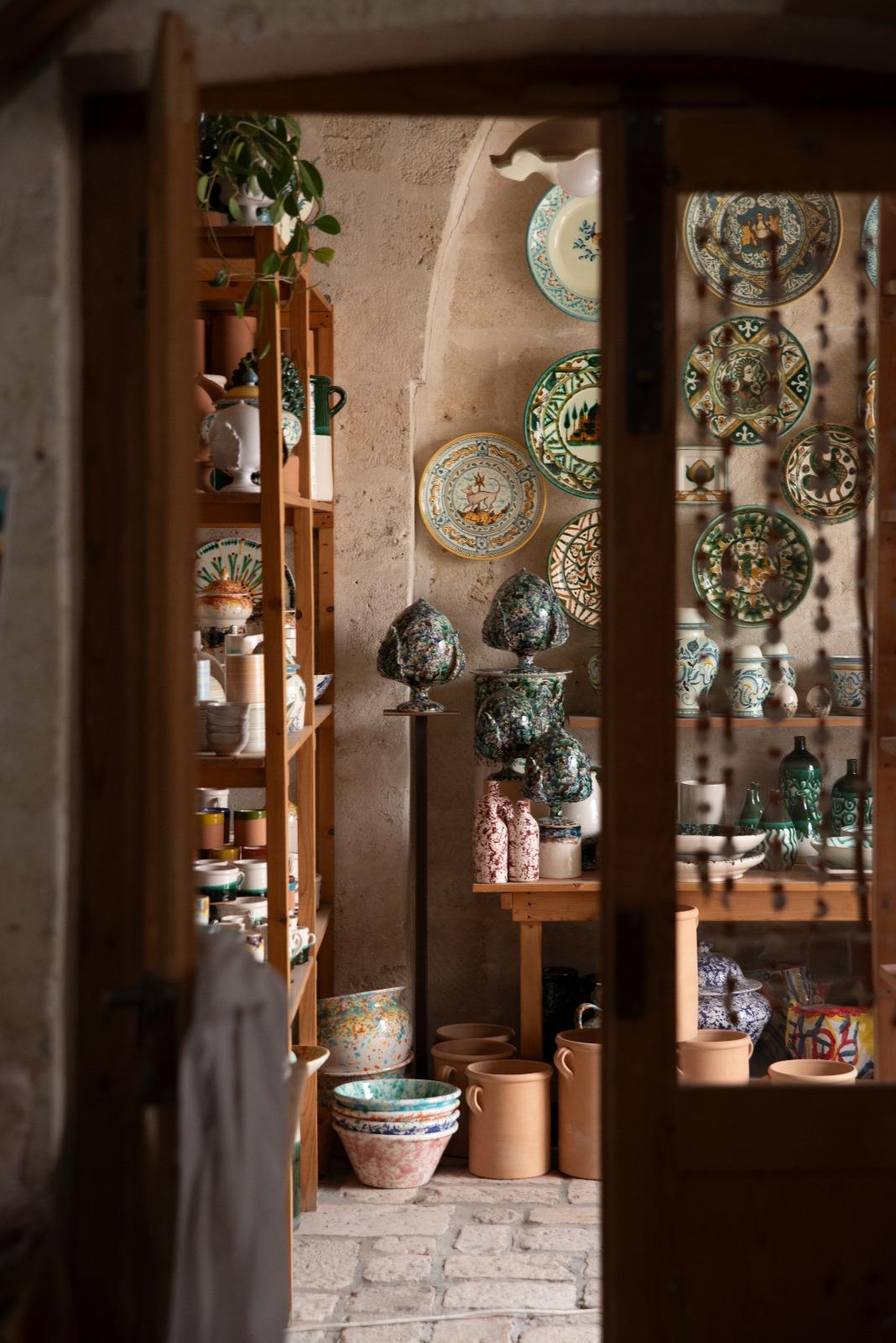
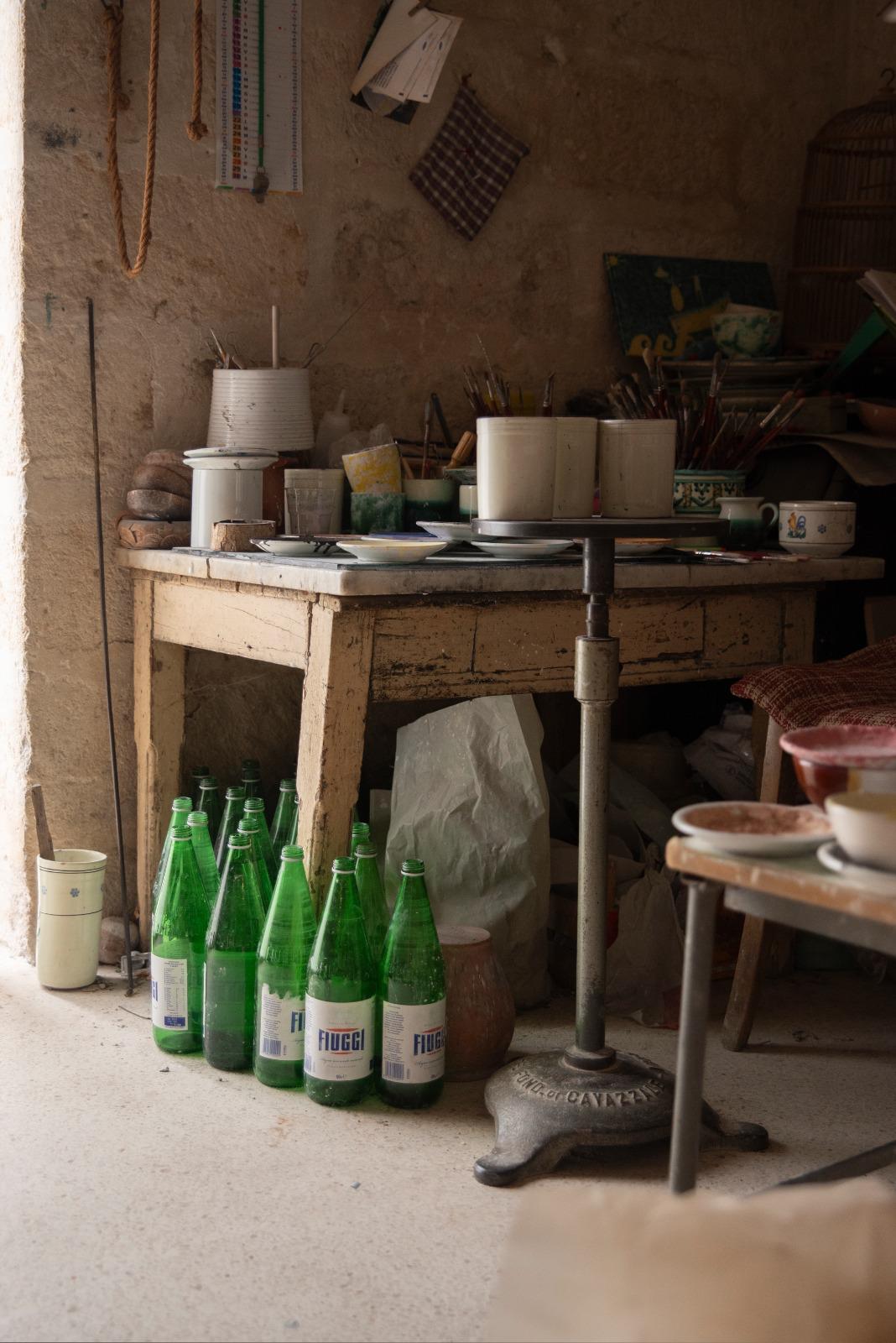
The workshop is an ecosystem, a forest of creatures woven into a labyrinth: a natural catalogue of objects both displayed and hidden, waiting to be discovered as you wander, like plants that slowly reveal themselves or flowers waiting to be picked. It is also a small journey, a place you enter without knowing where you will end up: every door may lead to another space, every drawer may hold a possibility, every piece may contain a small story. Here ceramics is not just transformed matter: it is memory taking shape, a fragment of biography crystallised in time and colour.
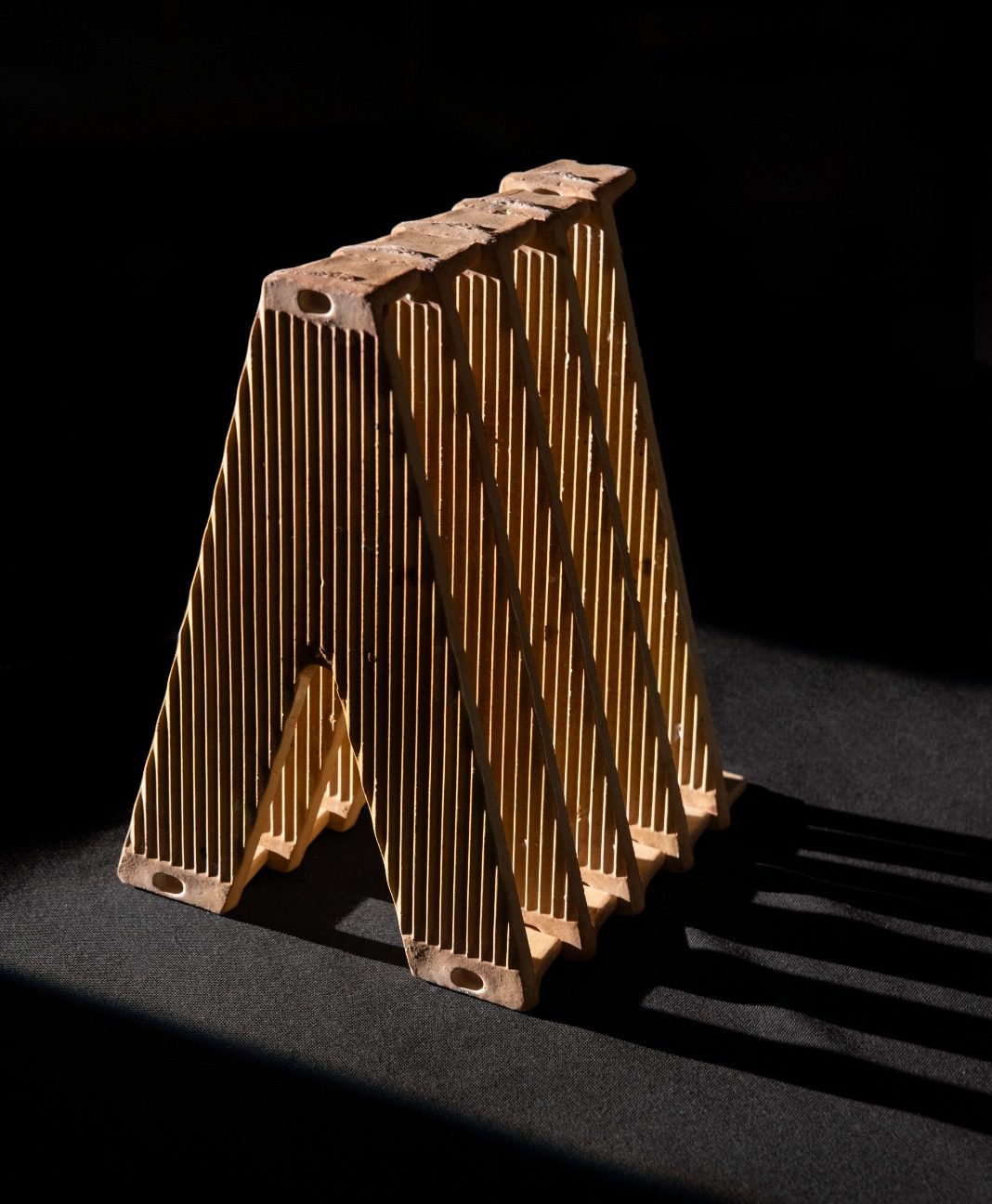
Everything begins with the elements. Earth is the humus from which the workshop’s universe grAn Eternal Dialectic Between Rigour and AnarchyAn Eternal Dialectic Between Rigour and Anarchyows; water makes it yield to the hands; air lets the works breathe. And then fire, an ancient and decisive force: the kiln takes in the still-fragile creatures and returns them to the world transformed and complete. It is in this encounter that the artisan practises the craft: persuading the material without dominating it, listening to its resistance, accepting the unexpected, between rigour and anarchy, tradition and freedom.
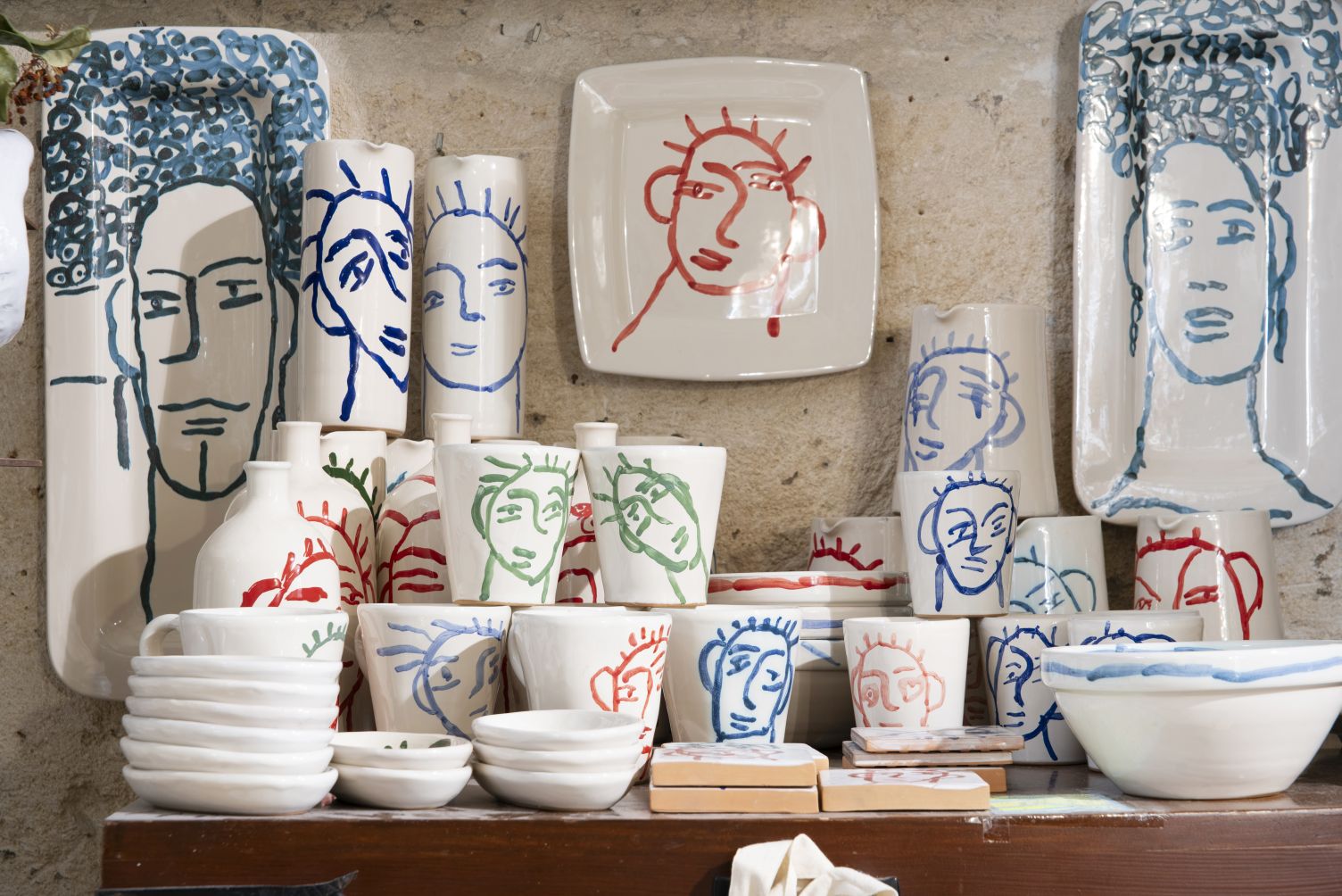
Ceramics thus becomes a language of forms, glazes, marks, imperfections and unexpected combinations, able to hold together the everyday simplicity of a cup and the exuberance of an object made to inspire wonder.
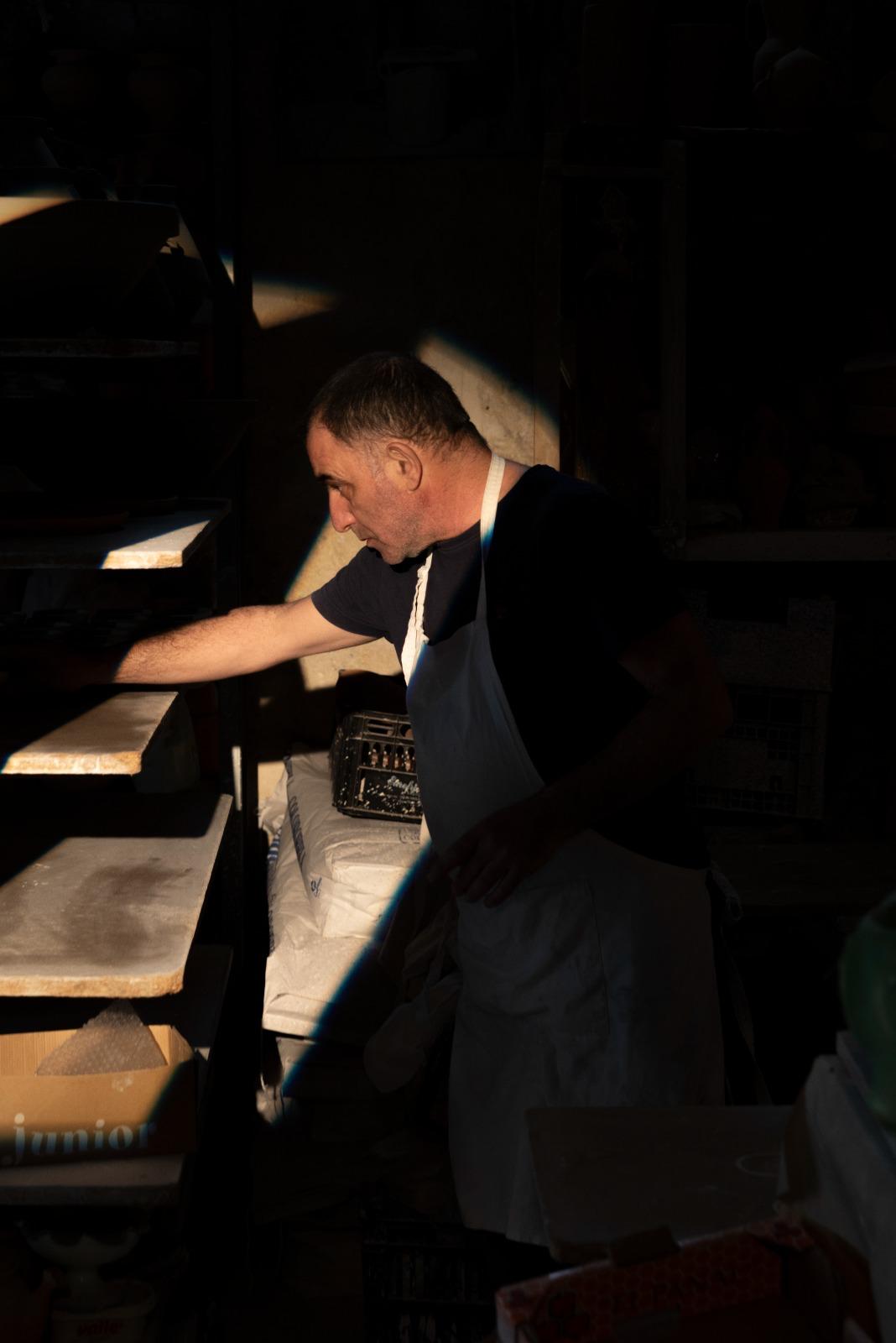
And within this universe are the people. Antonio gives the workshop its name and keeps its spirit alive: that of a young boy who dreamed of becoming an artisan, of living the workshop as a first home, of turning the work of his hands into a way of life. Beside him, Ciro moves through the material with a vision all his own: vases with unexpected shapes, faces scattered across surfaces, colours that seem to spring from instinct. Tonino, meanwhile, opens up the workshop like a secret map, revealing paths, rooms, experiments and the traces of a research that has been going on for decades.
The workshop is also an open place. Some come to look, some to buy, some to create; some step in out of curiosity and end up staying, some try their hand and leave a small piece of themselves in the kiln. Here the line between those who make and those who watch grows thinner: the workshop lets the world in, and its works carry a fragment of it back out. A place to wander through rather than to understand, where earth keeps becoming world through the work of human hands.
RATINGS