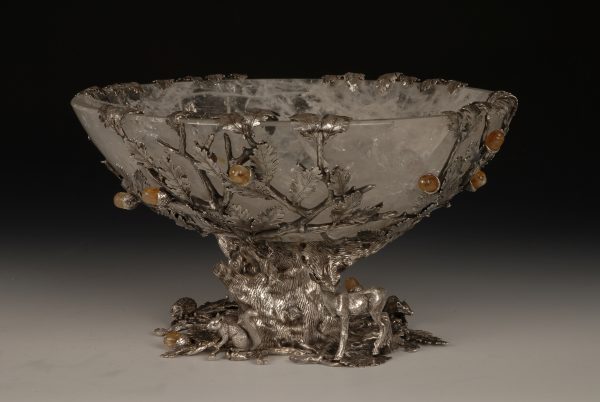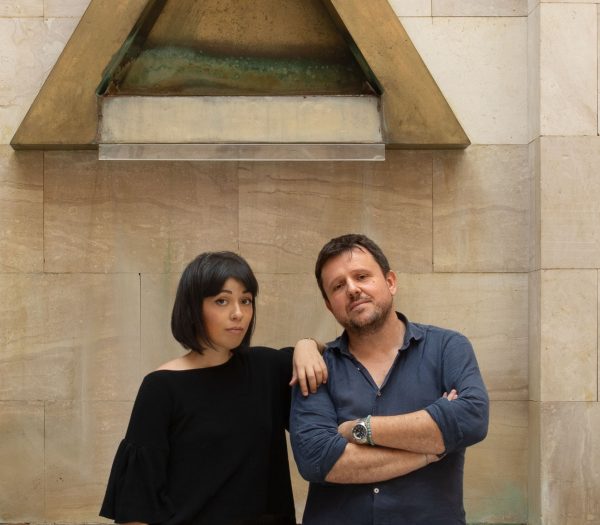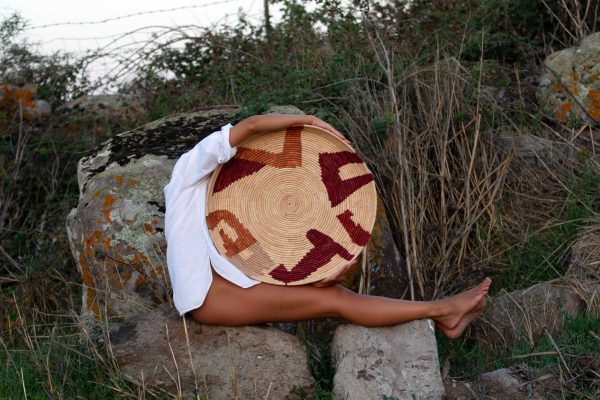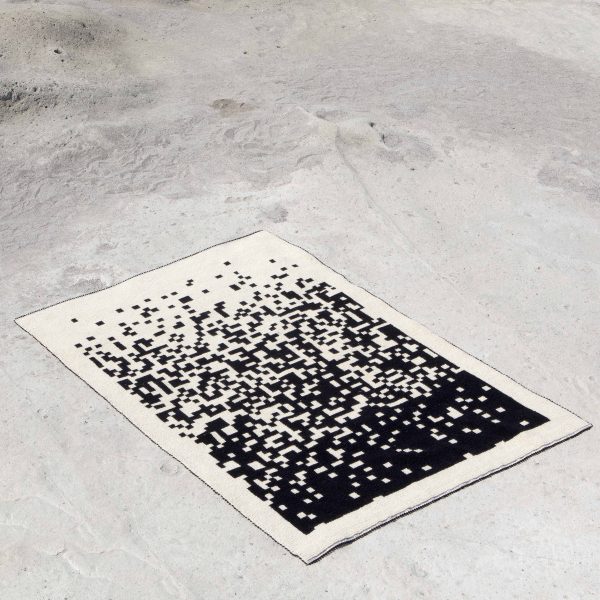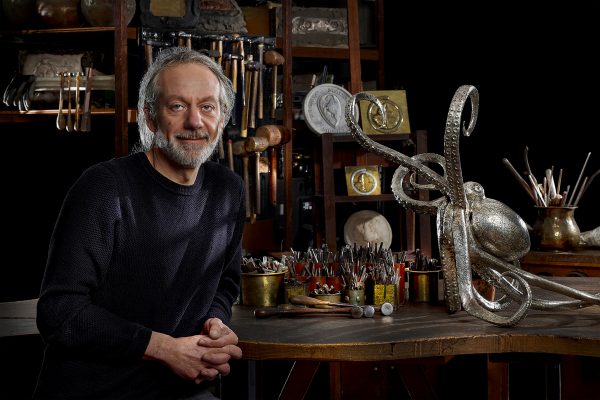
Lorenzo Foglia. From technique to art: the liberated form of silver

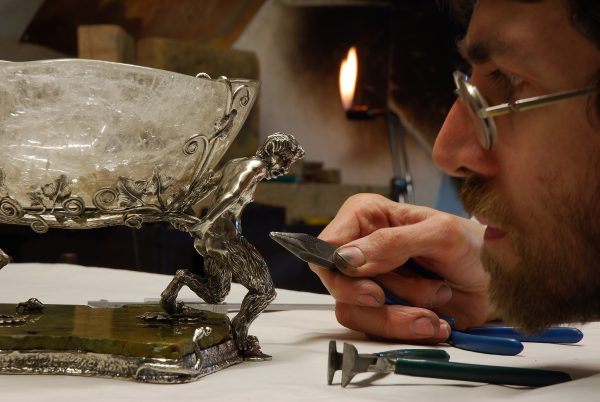
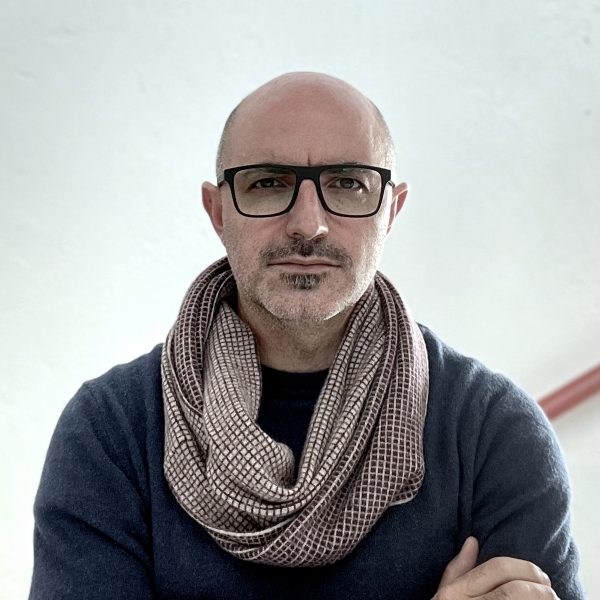
Since 1935, Florence has been home to a goldsmith’s workshop specializing in silverwork that has gradually established itself as a true academy of the craft. The founder Carlo Foglia first, then his son Giuliano, and for many years now his grandson Lorenzo have all helped write the recent history of the silversmith’s art, creating extraordinary objects and training chasers who have taken their expertise not only throughout the city but around the world.
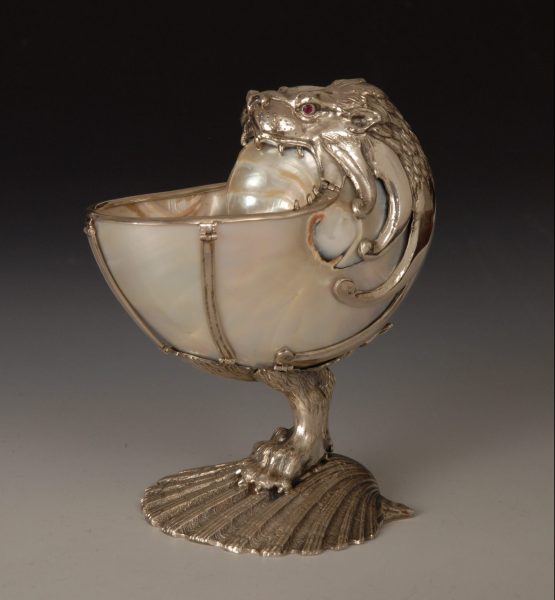
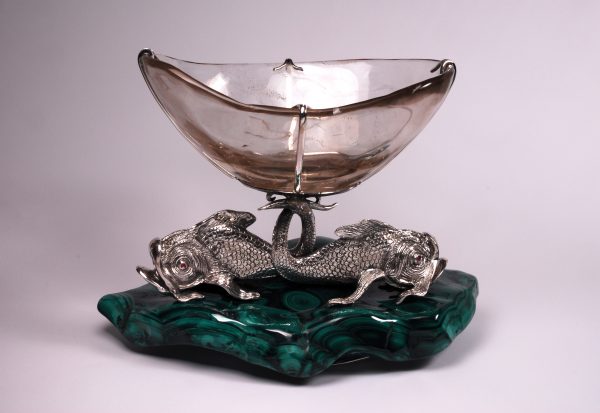
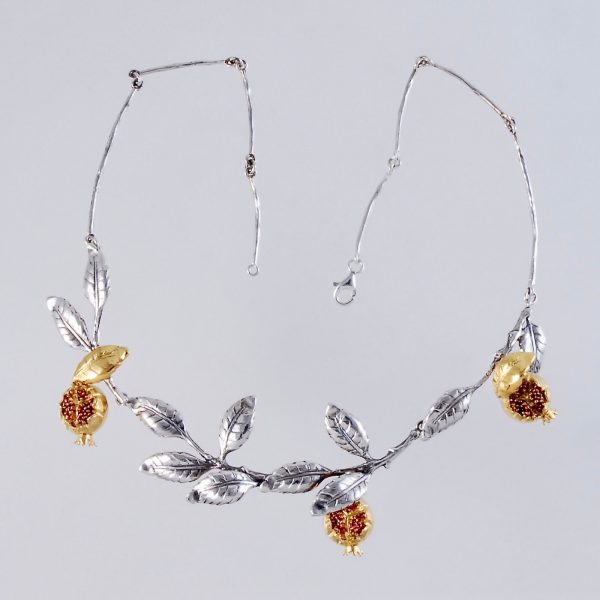
Today, the works of Lorenzo Foglia—named a MAM, Maestro d’Arte e Mestiere, in 2018—are the mature fruit of an absolute command of traditional techniques, a broad historical culture, and an expressive freedom which—much like in the finest Renaissance workshops—elevate his sculptures and all his silverwork to the status of high art. In his words, one senses all the awareness and passion of a craftsperson who looks to Cellini and Leonardo as guiding spirits.

Maestro, can you tell us how your story began?
It all began with my grandfather Carlo, born in 1910. He was not Tuscan but Lombard, from Erba. After graduating from the Brera Academy of Fine Arts in Milan, he decided to move and open his first goldsmith’s workshop in Florence, which he considered—even more than Paris—the heart of the tradition of this craft. My father Giuliano joined him, and then I arrived: at just fourteen I decided to leave school and enter the workshop to draw, chase, and hammer metal. To me, it was the most beautiful game in the world! If I later went back to studying—first in high school and then at university—it was to look at the craft from a more detached perspective and to understand, first and foremost, myself.

Did such an early and hands-on training become a limitation or an advantage?
Although entirely familial—one might say made in Foglia—my training was not lacking in theoretical depth; on the contrary, it was like an academy. My grandfather, whom I knew for only a few years, and my father passed on to me the enormous importance of the foundations that must accompany practice, and in those years a great many Florentine chasers trained in our workshop. I have never approached a sculpture without first studying its theoretical development and proportions. But I had the immense advantage of fully experiencing the workshop: an irreplaceable school in the dimension of reality, one that not only allows for constant dialogue but also lets you “steal,” with your eyes, the secrets of the craft.

Stylistically, what has the Foglia workshop contributed to the silversmith’s art?
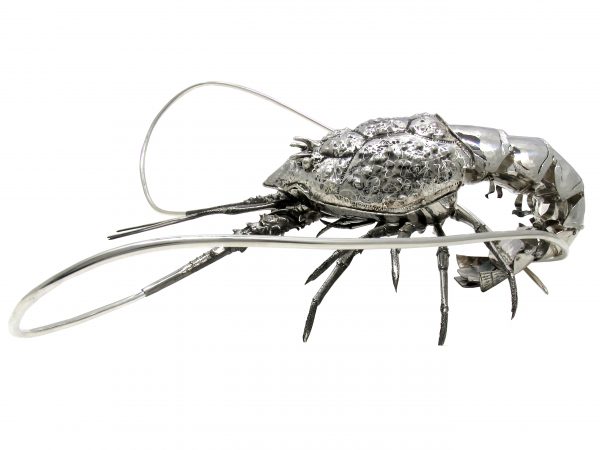
My grandfather introduced to Florence a Baroque-leaning style, made of powerful repoussé work that was foreign to the Florentine tradition—typically more precise and delicate but also more cerebral, at least in silverwork. The forcefulness of the Baroque was, instead, part of the Lombard heritage.
I have always tried to learn as much as possible and to acquire the highest level of technical mastery, knowing that training does not create artists but skilled artisans, just as a conservatory does not necessarily produce great musicians but good music teachers. Technique is a starting point; mastering it is a doorway to expressing oneself freely.

And in which direction has your creativity evolved?
In the early 2000s, the silvermaking sector was in crisis. Wealthy families—the natural clientele for objects crafted in precious metals—were no longer interested in reproductions of Baroque service sets, which they already had at home for generations. Mass production began, which trivialized silver and was also environmentally unsustainable. Buying a silver object should be like going to a good delicatessen, choosing the finest product, and having it sliced to order. There should be no single-serve portions packaged in plastic! It is a luxury, and as such it is born of desire, not necessity.
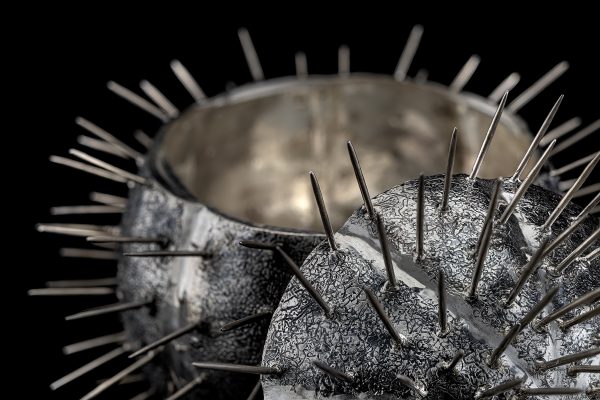
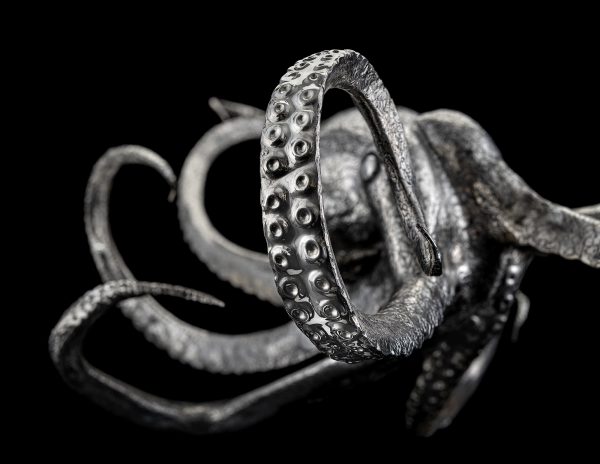
I decided to take a leap into the void, starting to design in a completely free manner, unbound by stylistic or technical limits. I avoided letting my experience constrain my creativity—pushing me to choose certain solutions only because they were the ones codified by the perspective of know-how. I freed myself from function, devoting myself to sculpture, seeking to create objects people could fall in love with, and only afterward worrying about how to make them.

What is your vision of the relationship between artisan and artist?
The artisan works within the bounds of their training; the craft is the more academic component. To evolve, one must violate certain stylistic norms, introducing an element of novelty. It is the artistic component that takes on these violations—or variations—which may later become codified themselves and thus fall back within the realm of craftsmanship. It is the passage from minor to major art, the one accomplished by geniuses such as Benvenuto Cellini in sculpture or Leonardo in painting. The Renaissance was born precisely in the Florentine goldsmiths’ workshops, where wealthy patrons entrusted trusted artists with the precious materials needed to create something new and extraordinary.

You collaborate with designers and major companies. Do you enjoy cross-pollination?
Yes, it is essential to break canonical, academic balances. Some companies come to me to disrupt the overly mechanical representation of one of their objects, to invent a detail that interrupts seriality—a pseudo-perfection that is not truly perfect. The market tires of automatism; it wants the irregularity that creates perfection. Humanity is not a matter of being or not being, zero or one, as in binary code—it is everything in between. A machine would produce identical statues, whereas identity is born from the sum of imperfections.

For years now you have also been teaching. Do you enjoy passing on your know-how to younger generations?
One is not a Master unless there are pupils. It is a shared growth, because when you teach you discover reality through the eyes of the learner, who is like a child discovering the world. It is a responsibility, because what you teach will become, for the student, something like an axiom. You must seek answers within yourself and convey them with due delicacy. Having trained many foreigners who come to Florence, I have “children of the craft” all over the world, and it is moving to find in their work the traces of what I have taught them.

Daniele Mingardo: visions of contemporary craftsmanship

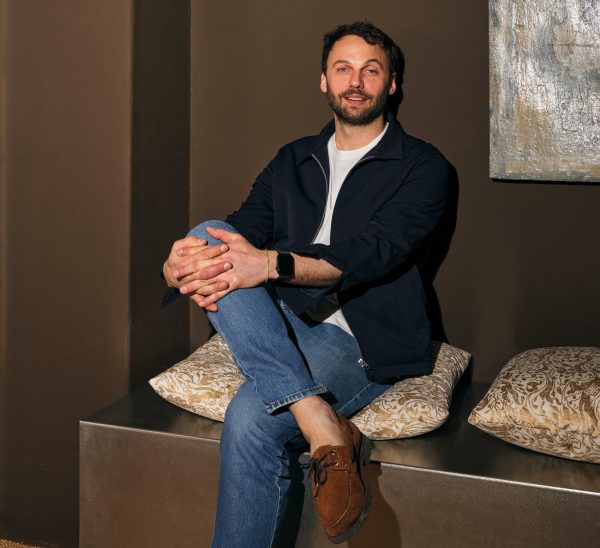
Born into the craft, Daniele Mingardo is a young yet established master of metalworking who, at a very early age, transformed his family’s successful business into a thoroughly contemporary project. Passionate about design and naturally drawn to challenges, at just 25 Daniele shifted the perspective of the metalworking company founded in 1970 in Monselice (Padua) by his father Ilario. Alongside commissioned work, he introduced a collection of handcrafted objects with an elegant, minimal style, designed by a network of international designers under the guidance of an art director and produced in limited editions. A successful idea that did not sacrifice but instead enhanced Mingardo’s artisanal soul, giving rise to a new brand that embodies the essence of contemporary craftsmanship.

At only twenty-five, you began transforming the family business. How did you manage that?
My father Ilario founded Mingardo Metal Carpentry in 1970 in Monselice, in the province of Padua. He dedicated his life to it, working with extraordinary commitment and passion, every day from 7 a.m. to 8 p.m., always taking on the challenges posed by clients and trying, as a true craftsman, to deliver whatever was asked of him. I joined the workshop at just 18, eager to learn but also to contribute. I had a passion for design and a different mindset—more assertive and more inclined to take on challenges. Within a few years, I proposed a new perspective alongside traditional commissioned work: I wanted us to be at the center of the creative process, deciding what to produce and how. So, in 2012–2013 we presented our first furniture pieces, developed with Aldo Parisotto as Creative Director and a first group of designers called on to interpret our style. From there, several collections followed, involving both emerging and established designers, and sometimes even collaborations with professionals from outside the design world, such as photographers and stylists.

How did the market react?
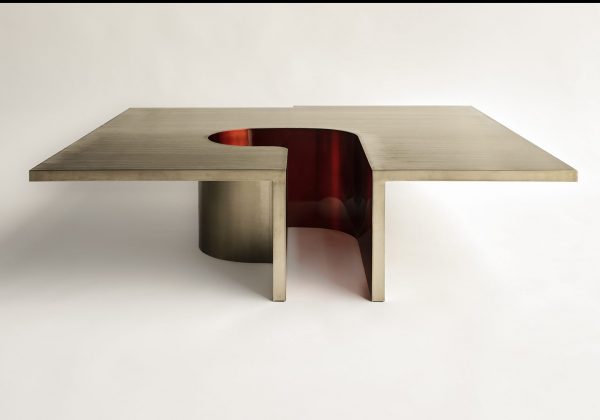
The most surprising outcome was the strategic benefit we saw in terms of communication and the company’s image. Our product catalog showcased the range of processes we were capable of, opening us up to new and unexpected opportunities not only in product design but also in custom services. Today, we operate in both areas. Mingardo products embody our elegant, minimal style and serve as a ground for cross-pollination and dialogue with the various designers we invite to collaborate, all within a clear artistic direction. Custom work, on the other hand, spans a wide spectrum—from bespoke kitchens to sculptures, depending on clients’ requests—and finds in our products the best possible catalog: a guarantee for the client that we can deliver whatever they ask.

What is the goal behind the recent opening of the Mingardo Gallery in Milan?
We wanted a place to bring clients and architects, to show that we can not only create objects but also design entire environments with great flexibility. When we are entrusted with an interior project, we act as the lead for the entire process: we can select the most suitable architect from our network and manage collaborations with other artisans for additional work—glass, wood, etc. Initially, we thought about opening the Gallery in Monselice, but it would have quickly become a chaotic extension of the workshop, overwhelmed by the creative frenzy. So we chose Milan, the perfect city to engage in dialogue with the thousands of architects and designers who live and work there, or who visit during major events.

Does manual skill remain central even in a craft activity that makes wide use of tools and technology?
We’ve moved past the traditional image of the blacksmith hammering iron. Today, certain processes require not only manual expertise but also advanced machines and technologies. That said, in craftsmanship what truly makes the difference is still the hand—the human touch—even in the use of machines and tools. I believe this is the right vision of contemporary craftsmanship.

What advice would you give to artisans seeking a more contemporary approach to their craft?
I’ll give you an example. Some time ago, if asked to weld brass with a TIG welder—a tool that ensures an especially clean, residue-free finish—my father would have said it was impossible: brass requires a blowtorch. That’s it. Artisans often say “it can’t be done.” They rely on their great experience—and rightly so—but they close themselves off to new possibilities. I, on the other hand, gave it a try. I spent nights experimenting until I succeeded. Now I can weld all metals with TIG. My advice to artisans is to dare, to embrace the new, to keep learning, to share their secrets and know-how without being protective. The right mindset is: it can be done—you just have to find a way.

In 2020 you received the title of Master of Arts and Crafts. What does this recognition mean to you?
In Italy, when it comes to craftsmanship, we have many extraordinary excellences that, unfortunately, are at risk of disappearing. I feel enormous gratitude toward those who, like the Cologni Foundation for the Métiers d’Art, have long been defending and promoting this immense heritage with great dedication. And I am honored to have received the title of Master of Arts and Crafts.

Lanificio Leo: textiles as a narrative surface

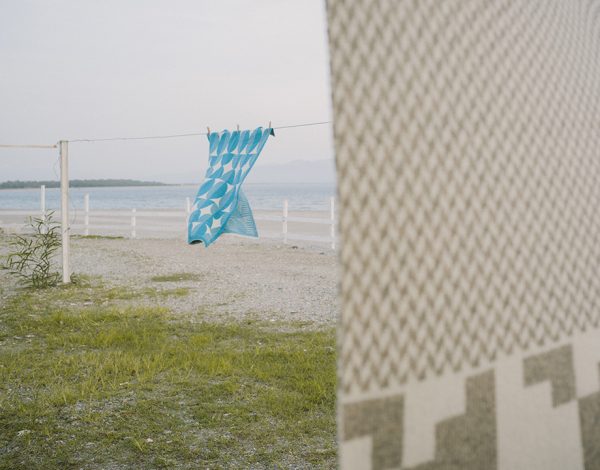
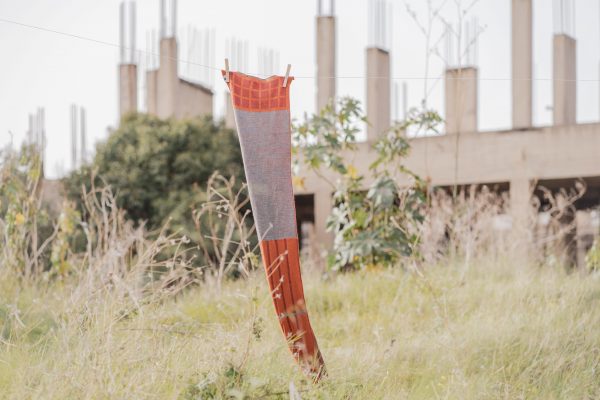
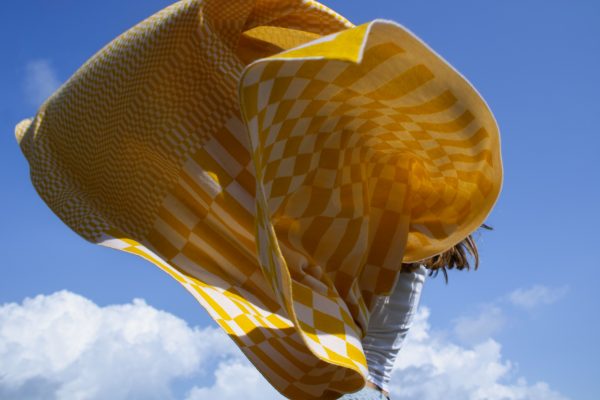
Emilio Salvatore Leo, architect and designer, may not be a master of the arts in the classical sense, but he is undoubtedly a master of lateral thinking—a perspective that has allowed him to reinvent his family’s historic wool mill, transforming it into a creative hub with an international outlook, open to a variety of influences and narratives. By experimenting with intangible assets—history, brand identity, relationships—he reconnected Calabria’s oldest textile factory not only with the territory where it was founded in 1873, but also with the rest of the world. He achieved this by shaping the project with a clear political vision, even before an entrepreneurial one: our land, our people, and our art are the very essence of Made in Italy.

Can you tell us the story behind Lanificio Leo’s rebirth?
The mill’s long history was rooted in a rural society that, by the 1970s and 1980s, had all but disappeared—or at least changed so much that the business could no longer continue as it once had. Even the breeds of sheep raised locally were no longer the same. In effect, my family was left with an empty shell, with very little production capacity: a small, secular cathedral where the old machines were kept running by my father, the last person who knew how to operate them. I was an only child, born to a father in his fifties, and it seemed I was the last one who could carry the business forward, despite being surrounded by uncles and cousins—on paper, far more suitable than me to take on the task.
I initially enrolled in engineering, then switched to architecture, and started to develop expertise in the contemporary landscape, becoming increasingly aware that the revival of the wool mill could not be based on a purely economic strategy. What was needed was a cultural turnaround. If we couldn’t bring the mill back into the world, we had to bring the world to the mill.
Fuelled by the boldness of youth, in the late 1990s I launched Dinamismi Museali, a festival of contemporary thought featuring electronic music, performance art, and boundary-pushing design. For ten years, we brought international voices and perspectives to the mill in the heart of the Sila mountains—an approach I’ve never abandoned—asking designers to experiment by interpreting the work of the old machinery and its newly reimagined productive capacity.

Rather than youthful folly, it sounds like a bold and clear-sighted contemporary vision.
I have to smile when I think that my father gave me the middle name Salvatore (which means “saviour” in Italian): perhaps it was all part of his master plan. In the beginning, pure experimentation was our way of staying true to ourselves. No business plan could have led us to where we are today. The vision wasn’t just about using cultural tools instead of economic ones, but also about avoiding nostalgia. From the outset, I rejected the idea of turning the mill into a museum, putting the old machines on display and handing over a set of brass keys to a caretaker.

What is Lanificio Leo today?
It’s a contemporary laboratory, a creative hub open to external input and perspectives—even radically different ones. The mill operates much like a publisher, giving voice to individual designers and highlighting the idea that textiles are a key domain of Italian design—a surface of expression that still holds much to be explored.

Where does the artisan soul of the project lie?
In the high quality of the product, which often borders on uniqueness, and in our choice to craft it to the highest standards. I’m not interested in luxury as a status symbol—it’s a concept I find alien. What matters to me is the longevity of a product’s life, the sustainability of its production, its accessibility, and the message it conveys. Even machine production can be approached with an artisanal mindset: for example, we’ve done extensive work around the imperfections produced by historic, worn machines—highlighting their beauty and uniqueness.
That said, I’m not in favour of orthodoxy. Our approach has always been one of hybridisation, of blending craftsmanship and technology—an essential reserve of competitiveness for a company like ours.

How do you approach communication?
Historic companies tend to lean on reassuring communication that emphasises heritage and tradition. In our case, communication follows the many projects we’ve undertaken. There’s still room for us to grow in this area, and we know we could be more strategic. One change we’ve already made is to our company logo: we moved away from the lion—a clear symbol of strength, tied to our family name—and chose instead a lamb, which later evolved into a stylised sheep. It’s a more contemporary, and somewhat ironic, choice.

What role does the local territory play, and how is it reflected in the mill’s creations?
The territory has always been central to our experiments. I’ve never wanted to exploit it opportunistically, and I’ve always maintained a direct relationship with the area—choosing to live in this “periphery of the periphery” instead of moving to Milan, where building a network would be far easier. There’s still much to be done in terms of production: we need to anchor more stable skills locally so that the Lanificio’s story can be decoupled from mine. I’m not an artisan who takes his secrets with him when he leaves.
My Calabria—and the South in general—is also central to our content experiments, often viewed through an ironic and contemporary lens, as with the Tipicoatipico series of objects decorated with hand-applied rust printing using woodblocks. Ultimately, the territory, the people, and our art are the very essence of Made in Italy.

LANIFICIO LEO

Via Cava, 43 – Soveria Mannelli, CZ

+39 0968 662027 – info@lanificioleo.it

www.lanificioleo.it

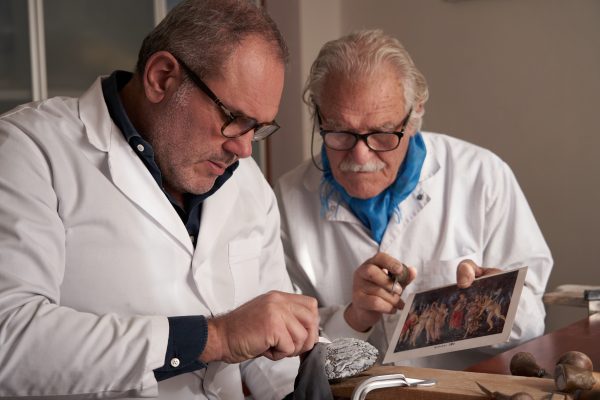
Fabio Ottaviano: what lies behind a cameo

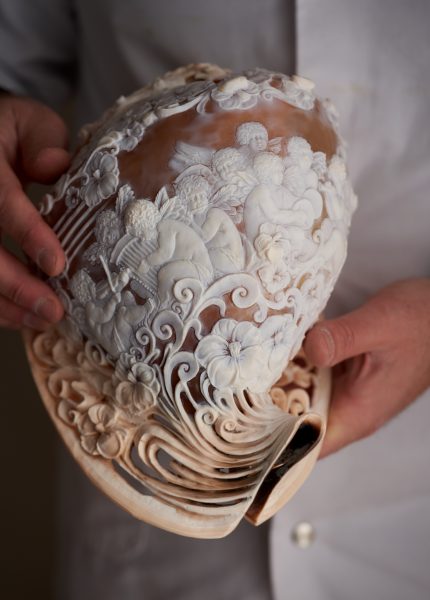
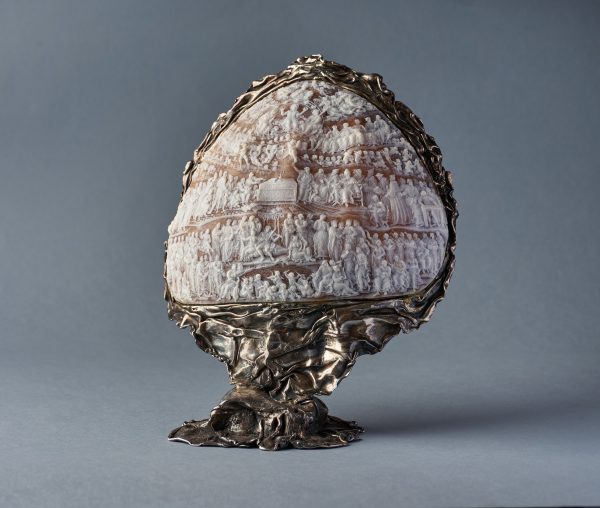
“It’s hard to make people understand what lies behind a cameo.” That’s how our conversation with Fabio Ottaviano began—marked by a sense of pride and a hint of mystery. Ottaviano is a master artisan of miniature shell cameo engraving based in Torre del Greco, close to Naples. Son of Pasquale—himself a student and heir to Giuseppe Scialanga, one of the great Neapolitan cameo masters of 19th-century —Fabio spoke to us about the daily joy of creating beauty with infinite precision and passion. He also shared the deep satisfaction that comes from seeing his sacrifices recognized, and the challenges of working in a system that, in Italy, still struggles to properly support and protect its artisans.

Let’s start with Torre del Greco. How did it become the world capital of cameo carving?
Cameo engraving is an ancient art, well known in the Hellenistic era and Ancient Rome, but also present in various Eastern cultures. Its true origin is shrouded in history and legend. What’s certain, however, is the role played by the French—especially Queen Caroline Murat of Naples—in establishing the Neapolitan tradition, particularly in Torre del Greco. Napoleon’s sister was an avid admirer of cameos and, according to some accounts, brought skilled engravers from France during the French occupation of Naples. At that time, ships docking in Torre del Greco were bringing in coral and shells, and local craftsmen had the know-how to handle the initial cutting of raw materials. So Neapolitan engravers gradually relocated to the area—let’s say for convenience—and began practicing their craft there. Over time, the skill of these artisans and the appreciation of their work grew to the point where Torre del Greco became the undisputed world capital of shell cameo engraving. Today, it remains a vibrant and dynamic hub, with dozens of active workshops and an important school dedicated to passing down this art.

What makes shells so special?
Cameos can be engraved on various materials—from hard stones to coral—but sardonic shell offers a unique combination of color, structure, and expressive delicacy. It’s a living material with a luminous, almost transparent quality that gives it a visual charm far beyond even more precious stones like lapis or agate. Skilled cutters can extract multiple cameos from a single quality shell through a process called scoppatura. Typically, two or three high-grade cameos come from the most rounded and prized section, and another few of medium quality. Even the lower-grade parts are used, usually for simpler, more commercial pieces.

What are your favorite subjects to carve?
Shell lends itself beautifully to many themes, but it’s especially suited to the classical subjects of the Italian tradition—unsurprisingly, these remain the most iconic motifs in this craft. Personally, I favor those same classical themes—think of Botticelli, for instance—but my workshop places no limits on creative direction. In Torre del Greco, there’s a wide variety of styles: some specialize in floral designs, others in traditional profile portraits. Often, the subject also depends on what the client requests.

Ottaviano Art works with major international luxury brands. What’s the key for artisans aiming for this kind of collaboration?
For over fifteen years, I’ve been crafting cameos for the dials of a historic Swiss watchmaking house, which even has a line dedicated to the Queen of Naples. To take on commissions like these, you need to deliver absolute precision, ultra-refined dimensions, and at the same time preserve the soul of a one-of-a-kind, handmade piece. That’s what luxury brands are looking for. Technology plays a role here, too. It allows us to combine the uniqueness of craftsmanship with the flawless accuracy these brands demand. These collaborations are deeply meaningful; they help artisans like us gain recognition—not just in Italy, but around the world.

Are there countries where your work is especially appreciated?
The interest and admiration we encounter abroad are remarkable. I’m thinking of Russia, China, and Japan—places where handcrafted work isn’t just admired but actively supported and, most importantly, protected. Sadly, in Italy, public institutions offer little in the way of recognition or support. It’s thanks only to the admirable efforts of foundations and private patrons that we receive any real visibility or acknowledgment. Their support gives us the strength and motivation to continue creating, generation after generation.

You’ve inherited your father’s legacy—who will carry on yours?

My father is 87 years old and still works in the workshop. My children are still young, but I’m hopeful! What’s essential is that they understand this craft requires sacrifice and a great deal of passion. It demands both study—ideally not only engraving school but also the Academy—and lots of hands-on practice. It’s not easy in the beginning, especially since we’re working with materials that are both precious and fragile. One mistake can be very costly. For that reason, I rely only on the most trusted collaborators, even for the preliminary work that precedes the actual artistic engraving. As I said at the beginning, it’s hard to convey what lies behind a cameo.

OTTAVIANO ART
Viale Ascione, 59 – 80055 Portici (Na) – ITALY

info@ottavianoart.com

www.ottavianoart.com

Slow gestures and universal stories

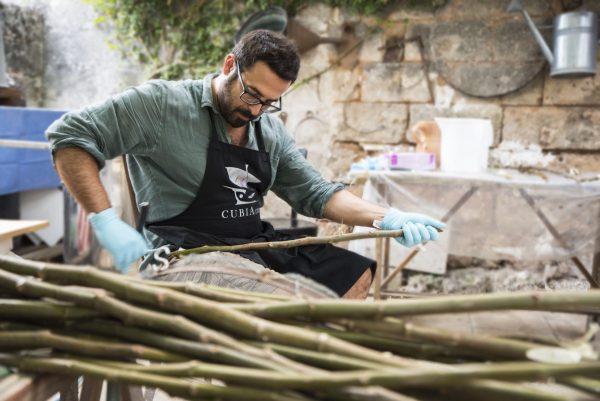
A profound sense of unity and completeness defines the work of Andrea De Simeis, engraver and papermaker from Salento, and founder of the Cubiarte Association. A unity between craftsmanship and artistic intent, between vocation and life, between past and present, between self and other. Working with nature and its seasonal cycles, he tells us, is a constant lesson in balance: if embraced with care, it can teach us that our practices can be not only sustainable, but also deeply attuned to the environment.

You came to papermaking after studying art, with a focus on printmaking and graphic design. Has the craft become a functional part of your artistic practice, particularly in relation to engraving?

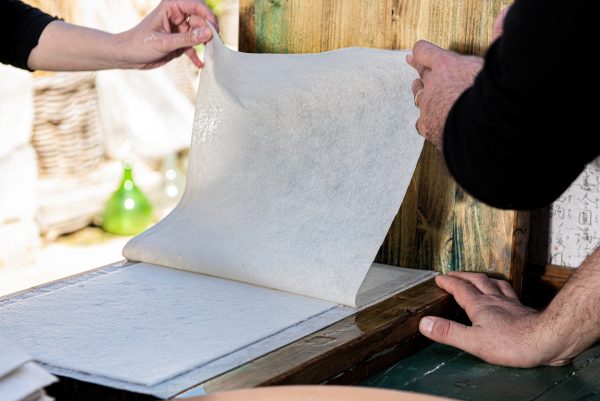
At first, my passion for paper was something of a side pursuit—an unexpected adventure. But I soon realized that in printmaking, the quality of the paper is anything but secondary to the work itself: just trying out different sheets is enough to understand how they shape the expressive qualities of the work, depending on the interaction with the printing surface. In the end, the artistic and artisanal practices complete and elevate one another—they are complementary dimensions of the same creative process.

What role did your mentors play in developing this awareness?

I’ve had a number of important teachers, but one stands out above all: my printmaking professor at the Academy of Fine Arts, Glauco Lendaro Càmilles, a close friend of Pier Paolo Pasolini. It’s hard for me to describe what he taught me about slowness—it’s like trying to talk about the wind. He created a special path for me, one of such intensity that I would sometimes come down with a fever after his lessons. But it was a fever laced with passion.

After him, I encountered other mentors, in a kind of à rebours journey that eventually took me to Japan. When I began producing washi paper, a Japanese delegation came to assess my work. Not only did they recognize the quality, but I was also invited to work with two masters—Yamamoto Sensei and Suzuki Sensei—both officially honored as Living National Treasures. That invitation, marked by the profound rituality typical of Japanese culture, remains one of the most awe-inspiring moments of my life. It confirmed that I produce the finest washi paper outside Japan—an art that has been part of UNESCO’s Intangible Cultural Heritage since 2006.

What role does slowness play in your work—and in your life?

I live in Salento and have adopted the rhythm of this peripheral land, which harmonizes beautifully with my craft. Above all, working with plants teaches one to live by the cycle of the seasons. Lifestyle and vocation become aligned, generating practices that are not only virtuous, but also more efficient—paradoxically—precisely because of their slowness. Today, more than sustainability—a term that’s often overused—we need to speak of genuine balance with nature and place.

Would you say that the journeys through space and time depicted in your works express a sense of universality that transcends individual stories?

Absolutely. For example, I worked on an illustrated monograph about the Battle of Hattin—one of the bloodiest defeats of the Crusaders in the Holy Land, at the hands of Saladin—during the Iraq war, following the 9/11 attacks. Through my engravings, I seek to express the recurring patterns of history and to awaken a sense of universality—something the paper itself helps bring to life. Prejudice, the refusal to see the other, has always been the first ingredient of every conflict.

Speaking of cycles, how do you relate to apprentices, such as the intern you hosted as part of the Cologni Foundation’s “A School, a Job” initiative?

I welcome many young interns and apprentices from Italy and abroad with great enthusiasm. It’s a joy to witness their hunger for knowledge, and my studio has no secrets—I allow myself to be completely consumed by their curiosity. The bond I formed with Daniela Fumarola, who spent six months with us last year, felt more like an adoption than an internship.

Still on the topic of transmission and cycles: is it true that your very first apprentice was a rather unusual one?

When I started papermaking, about twenty years ago, many friends thought I’d gone mad. I had given up a secure, well-paid job in graphic design to pursue an ancient, slow craft that seemed doomed to disappear—just like the books people then predicted would vanish. I found understanding not among peers, but from my grandparents: theirs was a generation raised in harmony with nature’s rhythms, attuned to slowness. And so, they began helping me. In many ways, my grandfather Gino was my first apprentice.

Cubiarte di Andrea De Simeis

Via Roma, 71

Caprarica di Lecce, LE

+39 346 5232827

cubiarte@gmail.com

www.cubiarte.it


The cycle of beauty

Fabio Fornasier, born in 1963, is a Murano glass Master, heir to a long tradition: he inherited the skills and passion for this unique craft from his father Luigi. Now a father himself, he is passing the secrets of the furnace on to his own son. In Fornasier’s distinctive creations, traditional Murano style and technique are enriched with a contemporary artistic flair—driven by curiosity, openness to innovation, and a bold inclination toward experimentation. His acclaimed masterpiece and best-seller, the Lu-Murano chandelier, is a perfect expression of the Master’s light, evocative style, which earned him the title of MAM – Maestro d’Arte e Mestiere (Master of Arts and Crafts) in 2024.

As someone who inherited his craft from his father Luigi, yet has successfully modernized it—what opportunities does a glass artisan have today, compared to fifty years ago?
Today, young people have many more opportunities than in the past. For one thing, there’s no longer a need to travel to learn or exchange ideas: all the information is instantly accessible via a computer or smartphone. This is essential for me—I’m always looking for new inspiration, especially from artists and craftspeople working with other materials.
Also, today there’s plenty of work, but a shortage of skilled labor. The few young people coming out of training schools are quickly snapped up by the larger glasshouses. And yet, the profession of the glass Master has changed: going to the furnace is no longer a punishment for those who don’t want to study—it’s an opportunity to do a unique, creative, and rewarding job, recognized and valued.

How do you view the current state of Murano’s glassmakers?
There is work, but the conditions are tough, and the number of Masters is dwindling—you’d struggle to count ten of us today. The biggest challenge is finding young people to take up the trade. We need to change the narrative and perception of what it means to be a Maestro vetraio, to show that it’s a prestigious profession.
Then there’s the very real issue of rising costs—especially gas and raw materials—which have literally doubled in the past five years.

Who are your main clients or commissioners, and what do they seek from a Murano Master like you?
We don’t work with retailers: our pieces are all custom commissions, done in collaboration with architects, designers, or end clients. They come to us for a unique version of my Lu-Murano chandelier—tailored to their specifications in size and color. In this process, my daughter Valentina plays a key role, acting as the link between myself and our clients.

Is there still room for experimentation in Murano glassmaking? Are there shared areas of research or trends, or does each furnace follow its own path?
Independent glass Masters—not those working as employees—enjoy great freedom. For me, experimentation is a daily practice. I’m extremely curious, and even today I can’t wait to open the annealing oven in the morning to see how a piece has turned out.
Murano glassmakers are often criticized for failing to innovate, for sticking to repetitive production. But for that very reason, those who break the mold and create something new have the chance to stand out. That’s what happened to me in 2003, when I unveiled Aria e Fuoco, an oil-powered chandelier that eventually evolved into the electrified Lu-Murano.

You have taught or held workshops in several prestigious international institutions. What is the most important lesson you try to pass on to young aspiring glassmakers?
You have to start with the basics—you can’t skip steps. This is an extremely technical craft that develops with experience and, above all, through mistakes. Every misstep has its reason and its value. Unfortunately, I’ve seen many glassmakers—especially from American schools—who produce interesting pieces but can’t reproduce them. They haven’t fully internalized the technical side of their work.

In 2024, you received the MAM – Maestro d’Arte e Mestiere award from the Cologni Foundation. What did this recognition mean to you?
It brought me immense joy and pride. I know how careful the Cologni Foundation is in selecting its awardees, and it’s always a pleasure to receive a lifetime achievement award while you’re still alive! It felt like a recognition of my passion—especially meaningful given the beautiful setting of San Giorgio Island in Venice, during the Homo Faber event.

Do you have a project that’s especially close to your heart? Something you fell in love with, or something not tied to the market, but rather a personal dream?
My dearest project is to become my son Nicolò’s assistant. Today, he assists me—but the day we can switch roles, I’ll know that he’s truly arrived.

VETRERIA ARTISTICA FORNASIER LUIGI

Calle del Paradiso 14

30141 Murano (Venezia) – Italia

Tel. +39 041 736176 – info@lu-murano.it

www.lu-murano.it

The song of coral

Laura di Giovanna Nocito creates unique jewelry from the coral of Sciacca — a treasure the waters offered to the Sicilian town nearly two centuries ago — making this precious gift of the sea “sing.” The heir to a family whose legacy has been shaped, generation after generation, by remarkable women, Laura was named a MAM – Master of Arts and Crafts in 2024 for her extraordinary talent in the goldsmith’s art. In the following interview, she shares the captivating, almost mythical tales that led her to make coral her life’s craft.

Can you tell us the story of Sciacca’s coral?
It is a unique and legendary tale, tied to an extraordinary event. One day in 1831, the people of Sciacca awoke in terror to sudden rumblings and tremors, accompanied by a strong smell of sulfur. To understand the source of this upheaval, local fishermen took to the sea — and just a few kilometers off the coast, they discovered a newly emerged island, which would go down in history as Ferdinandea Island. The island disappeared beneath the surface of the sea within a few months, but it foretold the beginning of an epic that, from 1875 onward, led to the discovery of three immense coral deposits. These had grown on the slopes of underwater volcanoes that dot our sea, and then accumulated in deep underwater pockets over thousands and thousands of years. This is how Sciacca coral was born: it is a gift from the sea and from time.

How did your family become part of this story?
It all began with a woman—my ancestor Concetta Venezia, the daughter of merchants, who in 1905 married her cousin Peppino Nocito, the last descendant of a family of noble origins.
Peppino didn’t want his wife to work; it would have been improper for someone of his social standing. But the women in my family have always stood out for their rebellious determination.
Concetta, unable to settle into a life of comfort, took advantage of the arrival of a jewelry representative at the family-owned hotel. She convinced him to leave her a few pieces and began secretly selling them to her friends, behind her husband’s back. When Peppino found out, it wasn’t an easy moment. We don’t know the details of what happened. All we know is that, four years later, the couple was still going strong, the hotel was gone, and Concetta was the owner of the most important jewelry store in Sciacca. Mountains of coral passed through her hands—the great era of coral fishing was still underway and wouldn’t end until 1914, with the beginning of the Great War.

What makes Sciacca’s coral so distinctive?
It is a truly unique coral, known for its hardness, brilliance, and density. Its natural palette ranges from pale pink to deep orange, and it is entirely sustainable: since it is subfossil, or “dead” coral, no living organisms are harmed during its collection.

What are the main techniques and challenges in working with coral?
Working with coral is a world apart — shaped by its own “song,” the delicate chime it makes when two pieces strike each other. Nothing can be automated; every step must be done by hand, ideally using tools that are either custom-made or specially adapted for each individual branch. This allows the artisan to work with the coral’s natural irregularities and uniqueness, following ancient techniques passed down solely from master to apprentice. Working with coral is true sculpture — a process carried out in tandem with the material itself. You do only what the coral allows you to do; you must listen to what it suggests. In my training, the turning point was the opportunity to learn the craft from an extraordinary master: Platimiro Fiorenza. Despite his initial hesitation at the arrival of a woman in a world traditionally reserved for men, he eventually welcomed me into his workshop and taught me the secrets of his ancient art.

The story of your family is one of entrepreneurship, with women always playing a central role. Is it still a challenge today?
Starting with Concetta, women have always been at the heart of our family’s entrepreneurial history—with the only exception being a period in which there was no female heir. My father was an only child and chose to become an engineer. I revived the business in 2005. The truth is that, in Sicily, beneath the surface, a true matriarchy reigns. Our land is full of stories of independent women, including entrepreneurs, like Donna Franca Florio. That doesn’t mean the challenges aren’t many and difficult, even today. I had to fight, even just to receive my education.

What inspires your creativity when creating jewelry?
Every day, my inspiration comes from everything around me: the sea, the sun, nature, the traditions of my land — not just those related to jewelry, but also to other crafts like papier-mâché and ceramics.

What did the MAM – Master of Arts and Crafts recognition mean to you?
I received the news with disbelief: I almost felt paralyzed before I allowed myself to feel excited. I didn’t feel worthy of achieving the same milestone as my master Platimiro Fiorenza, but at the same time, the award represented the recognition I felt I deserved for my passion and for the difficulties I faced along the way. It’s not just a goal, but also a new starting point, because coral is an infinite world, and there’s still so much more to learn.

Contacts
Nocito Gioielli
Via Venezia, 8A – Sciacca (AG)
+39 0925 85386 – info@nocitogioielli.com
www.nocitogioielli.com

Beatrice Barni: the craftswoman of roses

To celebrate the arrival of spring, the Biblioteca degli Alberi in Milan has been graced with a new rose garden, which now hosts the Rosa Mestieri d’Arte, a variety specially created by the Pistoian nursery, Rose Barni, for the Cologni Foundation. The scientist, farmer, and craftswoman responsible for bringing this unique variety to life—an eloquent metaphor for a delicate yet powerful world that transforms raw matter into beauty—is Beatrice Barni. A descendant of a family that has, for four generations, given birth to new expressions of beauty, she is also an expert in hybridization, a craft for which she was honored as a MAM (Master of Art and Crafts) in 2018. An undoubtedly unique and distinctive profession within the world of craftsmanship, of which Beatrice has unveiled some of its many secrets.

Hybridizing roses is a lesser-known craft. Could you briefly explain how it works?
Unlike vegetative propagation methods such as grafting or cuttings, hybridization is a sexual reproduction process: it is the only method that allows the creation of a new variety of rose through the combination of pollen from one variety with the female part (stigma) of another. In practice, humans replicate what insects or the wind already do in nature, but in a more targeted and specific way.

Shapes, colors, scents, resistance, adaptability, life cycle: what are the elements that can be influenced?
The rose is a highly heterogeneous genus, exhibiting variation in both aesthetic aspects (flower shape and color, diverse scent compositions) as well as vegetative characteristics (growth habit, type of foliage, presence or absence of thorns, and the formation of ornamental hips). Hybridization aims to select ever more interesting varieties, always prioritizing disease resistance and the ability to bloom throughout the season.

To what extent can the outcome be controlled?
There are guidelines, derived from experience and observation, that can be followed when seeking a particular trait. However, nothing is certain, and we often encounter surprises in the results.

Your family has been involved in floriculture since the late 19th century. How important is it to pass on knowledge in your craft?
The transmission of experience is one of the fundamental aspects of our work, as all the knowledge in both production and logistics stems from years of trials and experiments, responding to the most varied environmental conditions.

You create roses that do not exist in nature: do you consider yourself more of a farmer, scientist, artisan, or creator?
In our work, we must be eclectic and wear many hats simultaneously. I am fortunate to be able to experiment with various activities, which bring me into direct contact with nature, but also with many people.

You have dedicated roses to many famous names. Do you choose the characteristics of the rose based on the person, or do you let the rose inspire you to find a name?
In our hybridizing work, we often find ourselves looking for the right variety to dedicate to a famous person. However, there are also cases where the reverse happens, and it is important to find the appropriate name for a new hybrid, based on its defined characteristics.

In recent years, your work has received prestigious recognitions, such as the Talent du Luxe et de la Création award in France and the MAM – Master of Art and Crafts award in Italy. What are the next challenges?
Rather than speaking of challenges, I would prefer to highlight the persistence and curiosity involved in discovering and experimenting with what nature has in store. The world of roses is incredibly fascinating and ever-evolving. My grandfather used to say that the perfect rose is the one that has yet to come.

Rose Barni
Via del Casello, 5
Pistoia
+39 0573 380464
info@rosebarni.it
www.rosebarni.it

Bevilacqua: ceramics to share Sicily with the world

Inspired by their mother’s artistic flair, in 1997 Giuseppe and Antonio Bevilacqua founded a ceramic workshop in a small Sicilian town in the province of Caltanissetta, where they create the typical products of Caltagirone and Santo Stefano di Camastra ceramics – such as Moorish heads, pinecones, and tables – in a more contemporary style, while still using traditional techniques. With passion and determination, the brothers achieved recognition in a relatively short time, eventually forming high-profile collaborations, such as with Dolce&Gabbana, and in 2022, they received the title of MAM – Maestro d’Arte e Mestiere (MAM – Masters of Arts and Crafts’accolade) from the Cologni Foundation for the Métiers d’Art.

Can you tell us how your story in the world of ceramics began?
It all started in 1997. An adventure that began with our mother, who has always been a painter and passed on her artistic passion to us. We like to say we bet on ourselves, accompanied by a touch of madness and a lot of determination. We opened a small workshop in the historic center of Campofranco, just a few kilometers from the beautiful Valley of the Temples in Agrigento, and there we began creating objects that tell our story, the tradition of Sicilian ceramics, and the land we live in. It’s a workshop where our creations come to life, outside the usual path of traditional Sicilian ceramics.

How important is the territory, Sicily, and the tradition of Caltagirone to your work?
The connection with our land is fundamental. We drew from the traditions of Caltagirone and Santo Stefano di Camastra but created our own distinctive style. Each piece is a small work of art, unique and unrepeatable, made entirely by hand. From the processing of clay to its shaping, decoration, and firing, every object comes to life from our hands.

Do you have specific roles, or are you “interchangeable”?
We work in unison, complementing each other and understanding each other with just a glance. We work every day in close contact, sharing everything, always together and united. This understanding allows us to work in harmony and with complete respect for one another.

Is your style and technique strictly traditional?
Tradition is our artistic signature. All pieces are made from white clay by choice, as the colors on this base appear brighter and more intense. Clay, water, pigments, reliability, and passion: this is how one of our products comes to life. Tradition is the foundation we start from, and we carry it to the present day. The past, present, and future blend together in our creations. The millennia-old tradition of Sicilian ceramics, design, craftsmanship, and innovation combine to give life to products, all made in Sicily, where each piece has a taste of exclusivity. The culture of the material, knowledge of production techniques, decoration, and firing processes ensure that our products are of the highest quality. Every object is an expression of a unique and exclusive design that interprets the taste of tradition while keeping an eye on the future. Moorish heads, tables, and pinecones, which are initially just home décor, become exclusive works of art.

Over the years, you’ve established important professional collaborations, like the one with Dolce&Gabbana. What is the secret to being chosen by such a prestigious brand?
Being able to work with such an important and internationally recognized fashion brand is an honor for us. We advise anyone who wants to follow our example to work hard, with commitment, punctuality, and passion. It is also essential to perfectly translate what the client requests and desires into the creations. We are always ready to create bespoke products based on the guidelines we are given.

What opportunities does communication offer today to a young artisan?
Communication is a window to the world, helping to take one’s work outside the workshop and allowing it to be known and appreciated by a wider audience, eager to have Sicilian tradition products with a contemporary twist in their homes, offices, and studios.

What are your next challenges?
For us artisans, the challenges are many, every day. Perhaps the one we both desire the most is to take our art beyond national borders. Seeing our works placed in various international contexts fills us with pride and satisfaction and drives us to do better every day.


CERAMICA BEVILACQUA

Piazza Francesco Crispi, 24 – Campofranco (CL) – ITALY

+39 0934 959390 – info@ceramicabevilacqua.com

www.ceramicabevilacqua.com


Tarsie Turri: tradition and contemporary visions

Rita Turri, Master of Arts and Crafts 2024 in wood marquetry, inherited from her father Carlo, founder of the Tarsie Turri workshop in Anagni (in the province of Frosinone), the technique and sensitivity to find the harmony in which a few dozen or a thousand pieces, patiently composed in a refined geometric and chromatic balance, can coexist.

Let’s start with the inlay technique: how long does it take to create a medium-sized work, and what are the steps involved?

Of course, the time necessary to complete a piece depends on the complexity of the project and its specific nature. Net of the preparatory stages, a few days, weeks or even months may pass between the insertion of the first piece into the new inlay and the completion of the work.
The working technique consists of several stages. First, a decoration composed of defined contour lines is reproduced on a thin sheet of wood, called veneer. Then, by means of a knife, the individual parts are gradually engraved and replaced with other veneers, of a suitable shade and grain to give the decoration an ideal spatial and chromatic representation.
Once the workmanship is finished, the original veneer – now composed of dozens, hundreds or thousands of different inserts, depending on the size and complexity of the decoration – reproduces the design conceived with the so-called “al coltello” (with a knife) inlay technique. Each work is then subjected to a series of final processes-gluing, sanding and polishing, that preserve its form and charm over time.

And the inspiration, where does it come from?
Everywhere: in the colors and textures of the veneers, in the defects of the wood, in the clients’ requests. It takes very little to spark the imagination: a visit to a museum or, more simply, what happens around us on a daily basis.

How important is research and experimentation, even in a work based on the transmission of a craft tradition?
Research and experimentation undoubtedly help to contextualize in the present a centuries-old art such as wood marquetry. I constantly follow the evolution of the offering of the raw material (natural woods and natural dyes) and the materials to be used in the finishing stages of every work, and in the end this allows me to execute valuable inlays on any type of object: from boiserie, to large furniture such as cabinets and tables, to small jewelry (medallions, bracelets, etc.). These conditions pave the way for new projects, which I often make together with creative people and designers interested, as I am, in keeping alive a dialogue between tradition and modernity.

How do you combine tradition and modernity in an effective and original way, in a work of artistic craftsmanship?
There is a need for balance and sensitivity. Tradition provides the foundation: authentic materials and respect for history. A contemporary approach brings modern visions and adaptations that respond to the tastes and needs of the present. A good product of high craftsmanship combines the ability to tell the story of the past with the ability to project into the future.

What advice would you give to those who want to take this path?
There must of course be a strong motivation and a natural predisposition for creative and manual work. However, in the best tradition of high craftsmanship, a primary condition is to have expert guidance to help take the first steps in the field.

What was it like learning the trade alongside your father?
It was a unique and unrepeatable experience. He was a deep connoisseur of wood marquetry, a true master, always helpful and generous in transferring all his knowledge to me, with care and dedication. What I think made the real difference, however, was the passion he put into his work, which was absolutely contagious. That is how, after 40 years, I am still here making inlays.

Tarsie Turri
Via Vittorio Emanuele, 291
Anagni, FR
+39 0775 726978
info@tarsieturri.it
www.tarsieturri.it